The connection between nature and sperm quality



Explore the connection between nature and sperm quality and how proximity to green space can improve male fertility.
If you ever needed a nudge to head into the yard and trim some shrubs, this may be it. A recent study has revealed that spending time in green spaces improves sperm quality and may boost male fertility. From reducing your exposure to air pollution to lowering your stress, there are many reasons to get outside, especially if you’re hoping to start a family one day and are considering sperm quality improvements.
This article will explore what constitutes healthy sperm and what the research says about the connection between nature and sperm quality. You’ll also learn what impact environmental issues can have on male fertility and what you can do to preserve your chances of conceiving a child in the future.
Key takeaways:
- A recent study has revealed that spending time in green spaces may lead to sperm quality improvements and boost male fertility.
- Proximity to nature encourages physical activity, which is crucial for maintaining a healthy weight and healthy sperm.
- Spending time in nature can also reduce one’s exposure to air pollution and other environmental toxins, which are known to negatively impact sperm quality.
- There is also evidence that time spent in nature is associated with lower stress levels and improving sperm health as well as overall health.
Defining sperm quality
Sperm quality refers to the overall health and viability of your sperm. There are a number of factors that affect sperm quality, including how the sperm move, how the sperm are shaped, and the health of the DNA carried by the sperm. In assessing sperm quality, a doctor will look at the following components. Understanding these components are crucial before considering sperm quality improvements.
- Motility: This refers to the ability of the sperm to move or “swim,” which is imperative for them to move through the female reproductive system and fertilize the egg. Progressive motility is the best type of movement for sperm, which means the sperm are able to move forward towards the egg.
- Morphology: Morphology refers to the sperm’s shape and structure. Proper morphology consists of three parts: the head, the body, and the tail.
- Count/concentration: Sperm concentration refers to how densely packed those sperm are within the semen. Sperm count is the total number of sperm in a particular quantity of semen. Normal sperm densities range from 15 million to greater than 200 million sperm per milliliter of semen.
- DNA health: Each sperm cell should contain 23 chromosomes. Sperm DNA fragmentation refers to damaged sperm, which is less likely to produce a healthy pregnancy.
Connection between nature and sperm quality
In the first study of its kind, researchers in China investigated the connection between residential green spaces and sperm quality. Analyzing the sperm of over 9,000 participants, they discovered that exposure to residential greenness was significantly associated with increased semen volume, higher total sperm number, and better overall sperm quality.
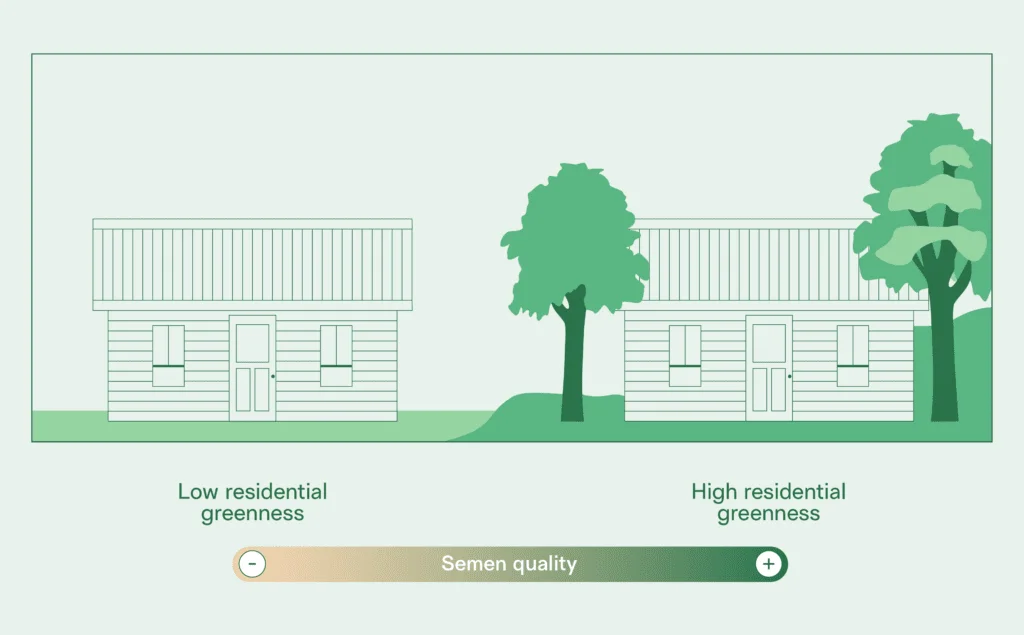
Though further studies are warranted to determine why time spent in nature is correlated with higher sperm quality, the researchers have speculated that the following factors may be at play with sperm quality improvements.
You're ready to start a family. But are your sperm?
Exercise
The study controlled for exercise levels, with researchers asserting that proximity to nature motivates physical activity. Numerous studies have already shown the positive correlation between exercise and sperm quality.
In one 2019 study, also out of China, those who engaged in greater levels of physical exercise every week exhibited healthier sperm motility compared to those who did not engage in regular moderate physical activity. Regular exercise also helps to maintain a healthy body weight, which is crucial as previous studies have indicated that obesity is related to poor sperm quality.
However, it’s important to note that some exercise can have detrimental effects. Research has shown that intense physical activity can have a negative impact on sperm concentration, motility, and morphology, which is not the case with recreational or moderate physical activity.
Clean air
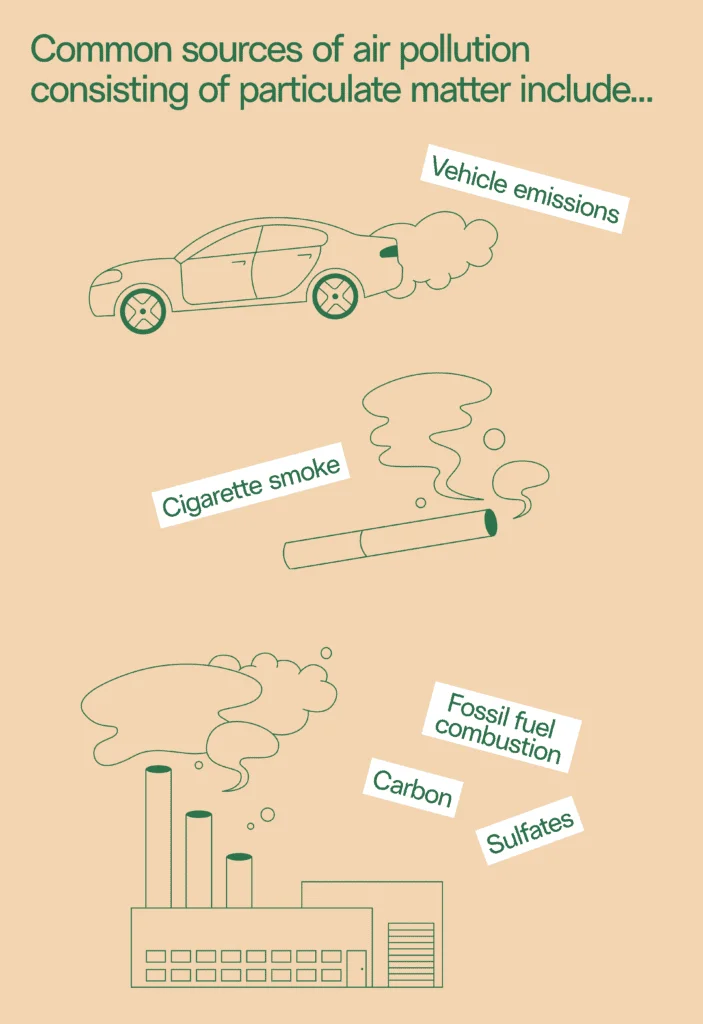
Exposure to green spaces may also influence sperm quality by reducing air pollution and filtering airborne pollutants around the residential address. This finding confirms earlier data linking air pollution and infertility. Air pollution, especially the kind consisting of particulate matter, like vehicle emissions, fossil fuel combustion, carbon, sulfates, and even cigarette smoke, has been shown to degrade sperm motility, morphology, and viability. And this 2021 study found that exposure to airborne particulate matter extended the time it took for couples to get pregnant.
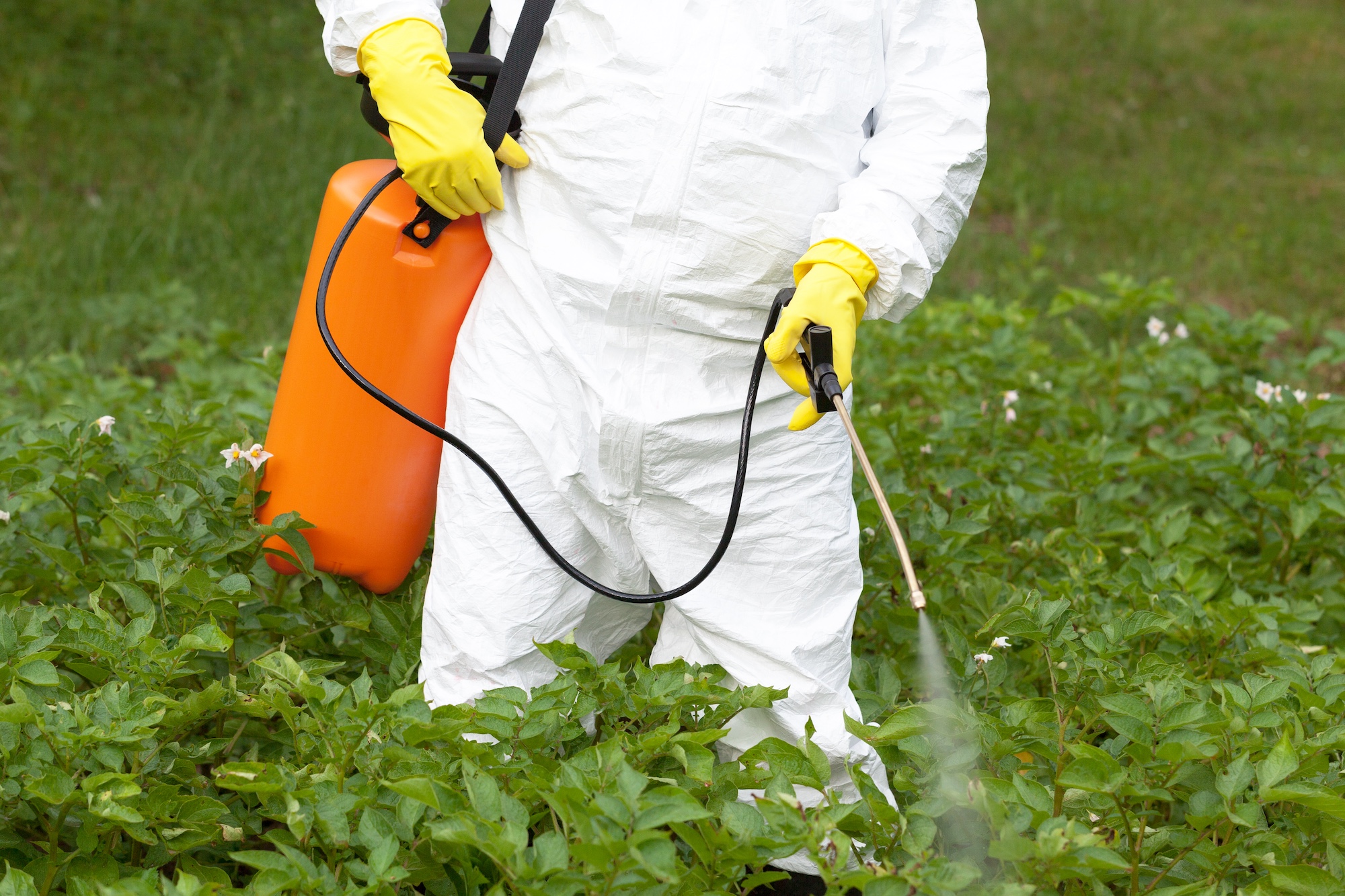
Other environmental issues affecting male fertility include one’s exposure to endocrine disruptors, which are chemicals that interfere with the system of hormones in the human body, thus impairing male fertility. Endocrine disruptors found in the environment include insecticides known as chlorpyrifos, herbicides known as glyphosates, and pesticides known as DDT. These chemicals can be found in green spaces, but more often in industrialized areas.
Another factor affecting the air and overall environment is climate change. Animal studies have shown that increasing temperatures may negatively impact sperm production and sperm quality. This explains why, in the Chinese study, researchers noted that exposure to greenness also improved the thermal environment by absorbing solar radiation and evaporating water, producing an environment conducive to sperm production and sperm quality improvement.
Less stress
A growing number of studies have revealed that visiting green spaces can decrease psychological stress. In the Chinese study, researchers also speculated that sperm quality went up because of mere proximity to nature.
While stress alone has not been found to cause male infertility, there is evidence that increased stress is correlated with decreased sperm count and quality. Researchers have found that people with higher levels of both short- and long-term stress and anxiety ejaculate less semen and are more likely to have sperm that are deformed or less mobile.
Increased vitamin D
Spending time outdoors also increases one’s exposure to sunlight, which means increased vitamin D levels. A 2016 study showed a correlation between vitamin D deficiency and impaired sperm motility, while later experiments revealed that vitamin D supplementation can have a positive effect on sperm quality by directly affecting the way calcium moves between cells.
Socioeconomic status as a confounding factor
Though earlier studies have shown that higher-income people were more likely to live near green space and thus have better fertility due to a better overall lifestyle, this Chinese study is unique in revealing the opposite. Subjects who resided in areas with more greenness tended to have a lower socioeconomic status, thereby confirming that nature, not money, has a more positive impact on male fertility.
Preserve your fertility with sperm freezing
If getting out in nature is impossible or you prefer the concrete jungle to the great outdoors, there are still things you can do to improve your fertility and sperm quality. While exercising outside gives you access to nature and vitamin D, you’ll still be benefiting your sperm health by establishing a regular moderate exercise routine at the gym or elsewhere. Making other lifestyle changes, like following a healthy diet, giving up smoking, and cutting back on alcohol, are also crucial for sperm-quality improvement.
And when it comes to preserving your fertility, sperm freezing is a solid option, especially if you’re young, because that’s when your sperm quality is at its best. Whether you are planning to have a child in the near future or you’re not sure that you want a child at all, freezing your sperm provides you with a reliable back-up plan no matter what the future holds for you, your living situation, or the environment in general.
Test your fertility from the comfort of your own home
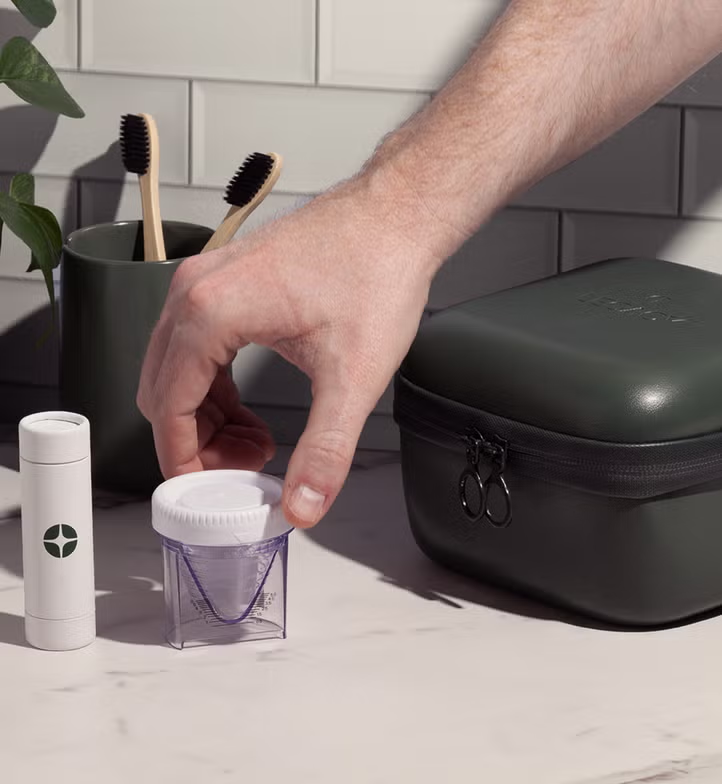
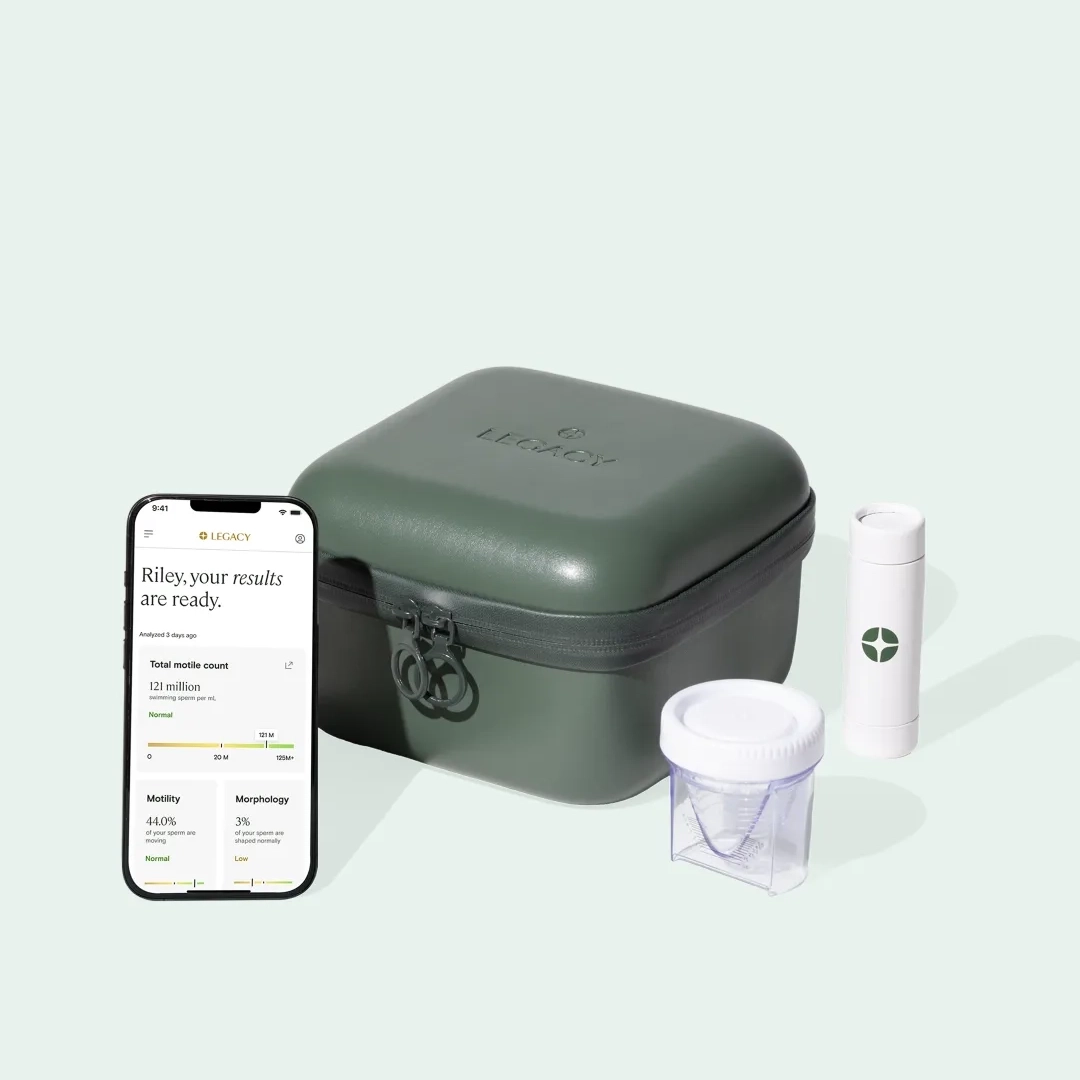
Before freezing your sperm, it’s best to test your sperm quality to see if there’s room for improvement. With Legacy’s at-home semen testing kit, you’ll receive insights into all the key metrics of sperm health, including motility, morphology, and sperm count/concentration, along with personalized recommendations based on your results.
Find out more about sperm testing with Legacy and explore other ways to improve your sperm through healthy lifestyle changes and supplementation.
Find what's right for you

Standard Semen Analysis
$295
Key features

Semen volume
Sperm concentration & count
Motility
Morphology