Stress and male fertility


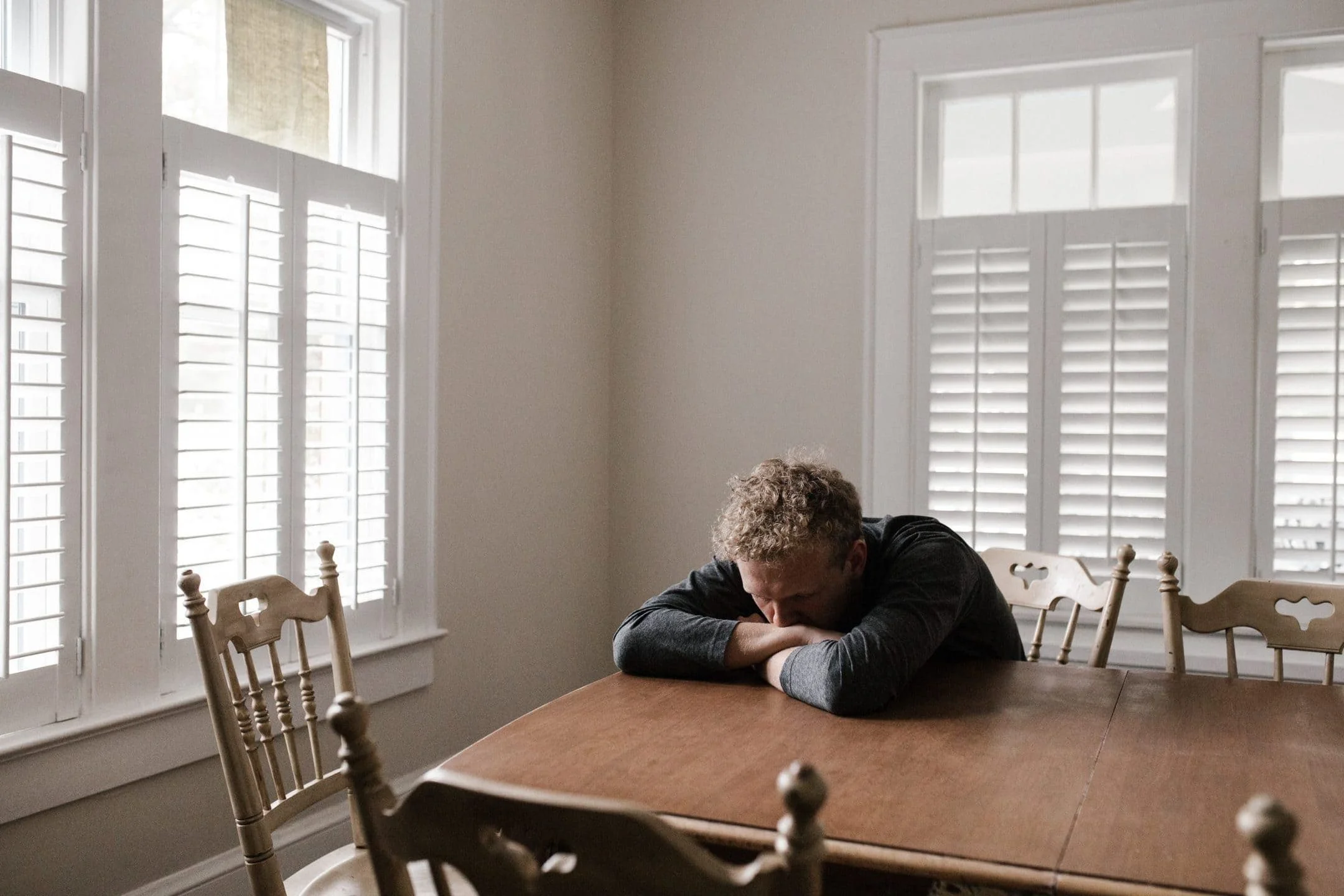
In this article, we’ll explore the current research about the relationship between stress and male fertility and provide actions you can take to reduce stress and improve fertility.
While the symptoms and effects of stress vary for everyone, stress has the potential to disturb the immune, digestive, cardiovascular, sleep, and even reproductive systems. And if trying to conceive isn’t going as planned, it’s natural to become anxious, worried, or stressed out.
Generally, stress isn’t great for our overall health. According to the National Institute of Mental Health, chronic stress sustained over a long period of time can contribute to health problems like heart disease, high blood pressure, and diabetes. When physical issues manifest as a result of psychological stress, it can feel like a vicious cycle: you develop physical symptoms because of stress, which only cause you to stress out even more.
In this article, we’ll explore the current research about the relationship between stress and male fertility and provide actions you can take to reduce stress and improve fertility.
Key takeaways:
- It’s very unlikely that stress alone can cause male infertility. However, stress can negatively impact a person’s sperm quality.
- Lifestyle factors that are correlated with stress — like lack of sleep, poor diet, or excessive smoking and drinking — can contribute to poor sperm health.
What is stress and what does it do?
Although most people think of stress as purely psychological, it’s actually primarily a physical response. It’s important to note that stress is not always a bad thing — short bursts of stress can actually be positive. Think about when you’ve had to swerve to avoid another car in traffic. As soon as your eyes detect danger, your heartbeat and breath rate quickens, adrenaline increases, and extra oxygen is sent to your brain to make sure you’re alert.
This reaction is commonly known as the “fight-or-flight” response, and has historically helped people react quickly to life-threatening situations. The problem is that, in the modern world, we experience this response at a low level chronically, even during stressful events that aren’t life-threatening, like arguments with a loved one, piled work responsibilities, or waiting in long lines.
It’s when stress is sustained over a long period of time that it can cause negative side effects. And according to research, American adults are only getting more stressed — adults in the 2010s reported a whole week of additional stressors per year plus increased stressor severity, compared to adults 20 years ago. Young adults in 2012 reported that nearly 50% of their days each year are stressful.
Chronic stress
Chronic stress is defined as consistent or frequent stress over a long period of time (several weeks or more). Chronic stress is linked to physical and mental health issues, such as:
- Aches and pains
- Insomnia or sleepiness
- Low energy
- Changes in social behavior
- Inability to concentrate
- Change in appetite
- Increased alcohol or drug use
- Emotional withdraw
Chronic stress may contribute to other conditions like hypertension, heart disease, obesity, metabolic syndrome, Type II diabetes, and arthritis. It is also linked to addiction diseases and mood disorders like depression or anxiety.
Remember, while chronic stress and these health conditions are often related, stress alone may not cause any of these conditions.
Anxiety
Anxiety is the feeling of fear, unease, or panic that comes with the body’s stress response. It’s normal to experience feelings of anxiety occasionally in everyday life. But much like chronic stress, when the body is in a state of anxiety persistently, it may interfere with the activities of life and cause additional symptoms.
Long-term anxiety may be diagnosed as an anxiety disorders. Common symptoms of generalized anxiety disorder include:
- Feeling restless or on-edge
- Low energy
- Easily fatigued
- Difficulty concentrating
- Increased irritability
- Muscle tension
- Difficulty controlling feelings of worry
- Difficulty falling or staying asleep
Can stress cause infertility?
It is unlikely that stress alone can cause male-factor infertility, but there is research that shows patterns between increased stress and decreased sperm count and quality.
Mixed results from research on stress and male fertility
As it stands today, research about the relationship between stress and male fertility has had mixed results.
Research on the impact of environmental disasters, such as earthquakes or war, has found — variably — that sperm quality is decreased, unchanged, or even improved after the stressful experience. Studies looking at the effect of life stressors like college exams are similarly inconsistent, with semen parameters found to either drop significantly or increase. Some of this variability is due to the complexity of studying stress, which is so intertwined with the sociocultural, demographic, and lifestyle aspects of our lives.
Animal studies have found that acute (sudden, short-term) stress may impair testicular function. Researchers have also found that isolated stress — such as getting laid off from a job — can have a significantly negative impact on sperm quality.
A study from Denmark found that participants with the highest stress levels had 38% lower sperm concentration, 34% lower total sperm count, and 15% lower semen volume compared to participants with intermediate stress levels. As one scientific review notes, many studies about stress and fertility are based on populations of couples from prenatal clinics or infertility clinics, which doesn’t necessarily reflect the relationship between stress and semen quality in the general population. The Danish study is especially valuable because it looks at a population of healthy men with no known fertility issues.
Some research has found that men with higher levels of anxiety and stress have lower sperm concentration and counts. Men with the highest anxiety levels were also found to have lower motility, on average, than less stressed men.
Stress and sperm DNA fragmentation
There is also research that suggests a link between sperm DNA fragmentation and stress. One study found that those who experienced medium-to-high levels of work-related stress were more likely to have a high sperm DNA fragmentation index (the percentage of sperm that contain damaged DNA).
It’s interesting to note that, in the study, nearly three-quarters of the subject were overweight or obese. Stress and lifestyle factors that affect male fertility, such as excess body weight, are often correlated, making it difficult to pinpoint whether the lifestyle factors or the stress itself are negatively impacting sperm quality. (More on that in a moment.)
Infertility causes stress
It’s also important to take into account that trying to conceive, and especially infertility, can be stressful situations. In some cases, it may be infertility that causes the stress — not the stress that causes infertility.
In one study, it was found that while infertile men reported more stressful life events than fertile men, they did not actually report more psychological stress symptoms. This makes sense, since infertility in itself involves many stressful life events. Studies have even observed a 39% decrease in sperm concentration and a 48% decrease in motility associated with the stress of producing a sample for IVF.
For a less anxiety-inducing semen analysis, consider at-home sperm testing.
Bottom line on stress and male fertility
Overall, the evidence suggests a small potential impact of psychological stress on semen quality. However, that doesn’t necessarily translate to a drop in fertility or pregnancy rates, especially for men with healthy sperm quality at baseline.
You're ready to start a family. But are your sperm?

Stress, lifestyle, and male fertility
Increased or chronic stress is associated with certain lifestyle factors, such as low quality sleep, lack of exercise, and a poor diet. Why? Stress decreases our ability to make healthy choices. Plus, whatever is stressing us out — such as long hours at work — may also interfere with our day-to-day routines. The trouble is that these factors are also known to negatively impact fertility.
- Diet and body weight: A common response to stress is the craving for high-calorie, high-fat, unhealthy foods. A less healthy diet — such as a diet high in fried foods or added sugar — is correlated with poorer sperm quality.
- Body weight: When a person is stressed, their bodies are more likely to store more fat. When you experience chronic stress, this combination can contribute to excess body weight, Type II diabetes, high blood pressure, or heart disease. Obesity and overweight has also been correlated with decreased fertility parameters.
- Lack of sleep: Who would have thought sleep and sperm health were linked? Even though many of us think we can shave off a few hours of sleep and compensate with extra caffeine, that isn’t a long-term fix. Adequate, restful sleep is critical for your health, including your reproductive health. Routinely getting less than 7 hours of sleep per night has been associated with decreased sperm count, motility, and morphology.
- Smoking and drinking: One study found that people who consume great amounts of alcohol or who smoke are more likely to experience significant job-related stress. Smoking is a leading risk factor for male infertility; one review of 20 studies concluded that cigarette smoking is associated with a significantly reduced sperm count and motility—and that the more you smoke, the stronger these effects are. Habitual binge drinking has also been linked to lower sperm concentrations.
Learn how to improve your sperm health and fertility.
What are the other health risks of chronic stress?
Although research about the relationship between stress and male fertility is not conclusive, we do know that chronic stress has negative effects on overall health. Stress can negatively impact your:
- respiratory and cardiovascular systems
- endocrine system (hormones)
- digestive system
- muscular system
- immune system
If you are experiencing chronic stress or believe you have an anxiety disorder, it’s a good idea to seek guidance from a healthcare professional, such as a therapist, who can help you create a plan of action toward reducing and coping with stress. Prolonged stress is not something you want to ignore.
Tips for reducing stress
You can begin taking steps to reduce stress today. Try some of our tips:
- Try to reduce or remove the stressful triggers in your life that you can control.
- Make it a point to eat more mindfully — the experience is more enjoyable and you are less likely to overeat.
- Take daily walks outside. The movement and the Vitamin D is good for your body and has been shown to reduce stress levels.
- Try a meditation practice. If you don’t know where to start, you can try using a meditation app like Headspace or Calm.
- Start a daily journaling practice.
- Regular exercise might be difficult to fit into a busy schedule, but it improves mood and reduces stress and anxiety. This is especially true when you partake in activities you enjoy — so don’t get caught up in creating the perfect workout routine. Try something fun, like rollerblading, yoga, or swimming.
- Stop using tobacco and nicotine products and reduce your caffeine and alcohol intake.
If you are struggling to conceive or have been diagnosed with infertility, you may be experiencing stress like never before. Remember that while it is normal to experience a range of emotions, it does not need to take over your life — and you should never feel bad about reaching out for help. If trying to reduce stress on your own is not working, consider reaching out to a mental health professional.
Find what's right for you

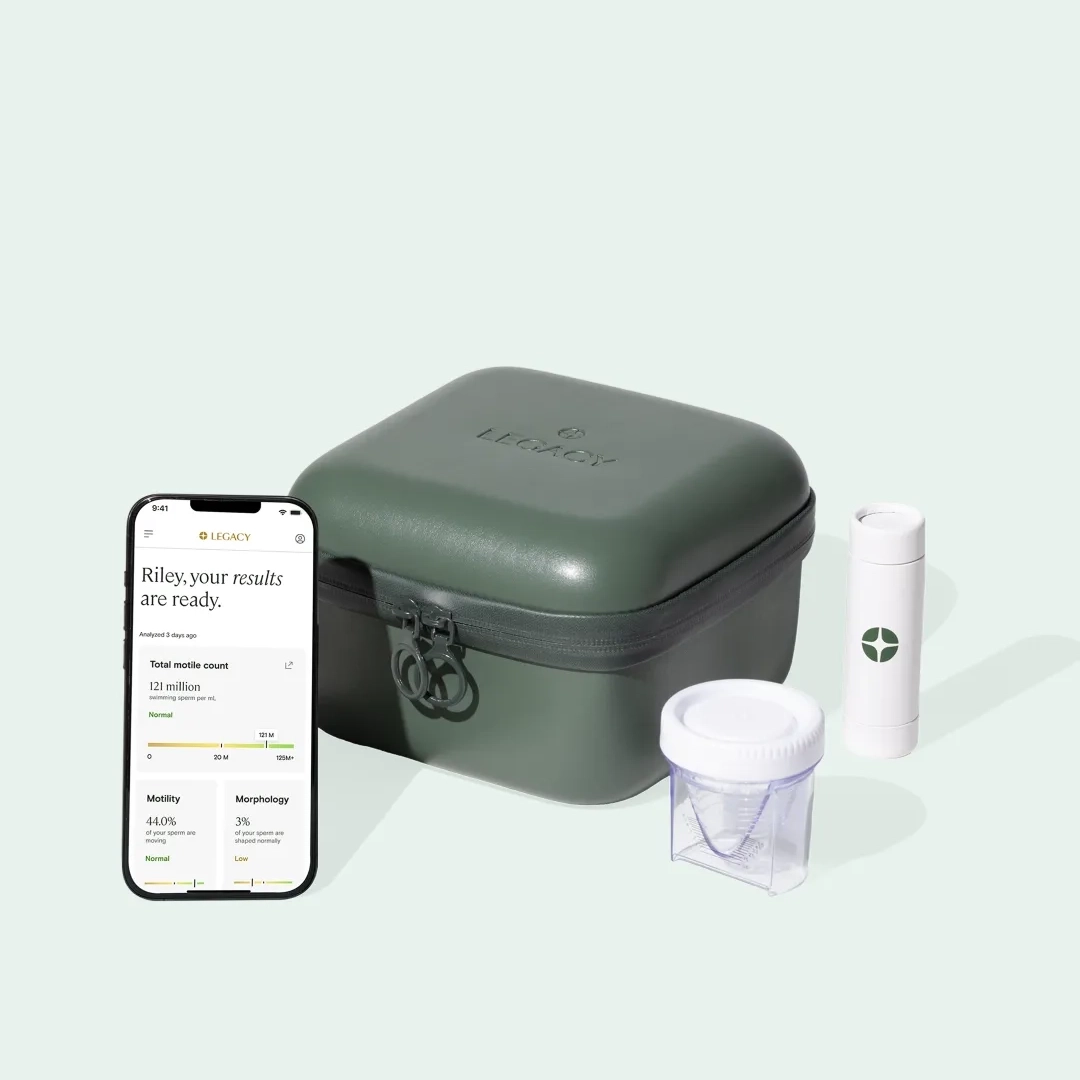
Standard Semen Analysis
$295
Key features

Semen volume
Sperm concentration & count
Motility
Morphology