Do (cis) men get periods?


We’ve all heard the jokes about “man periods” and “male PMS.” Cringeworthy one-liners aside, do people with testes really have monthly hormone fluctuations? And if yes, do those fluctuations lead to the same changes in mood people attribute to PMS?
Let’s cut through the clutter. The answer is complicated, and not definitive. Let’s take a look at what’s really happening and what science says about those hormones.
Male monthly hormone fluctuations?
Without a uterus, you don’t get a period. Period.
The term “period” usually refers to the monthly shedding of lining the uterus built up in preparation for a potential pregnancy. That shedding comes along with a hormonal shift, as estrogen levels drop. Hormones and moods go hand in hand, which explains why mood swings are part of the premenstrual symptoms (PMS) some people get in the week before their period.
But do people with testes have the same hormone fluctuations, and the associated mood swings, without the actual period? Jed Diamond, Ph.D., thinks so. He coined the term “Irritable Male Syndrome” in his 2002 book of the same name. Diamond looked at the biological behavior of male rams, who demonstrated changes in behavior as their hormonal composition changed. Diamond identified four potential triggers for his condition:
- Fluctuating testosterone levels
- Biochemical imbalances
- Loss of masculine identity
- Stress
It’s a compelling model with one major issue—humans aren’t rams. There’s no objective evidence that humans experience this fluctuation, and its subsequent behavior changes, in the same way.
Male hormones: It’s complicated
There’s actually no evidence at all that testosterone levels change in a cyclical way, like estrogen and progesterone levels do.
We do know that testosterone fluctuates slightly throughout the day. A 2009 study observed 66 men between the ages of 30 and 80, taking blood samples at 6 different visits in the morning and evening. The results suggested that the body does experience testosterone fluctuations.
- In younger men (30–40 years old), testosterone levels were 20–25% lower in the afternoon than in the morning.
- In older men, this difference lessened, with a 10% difference observed in 70-year-olds.
How does testosterone affect mood?
But what does that mean for mood swings? Evidence that testosterone levels actively affect mood and emotion is mixed.
- A 2015 study examined the connection between testosterone and brain function. Although the authors acknowledged that animal studies suggested a connection, fMRI results from their experiment could only confirm a correlation between testosterone levels and behavior and brain function, not proof of causation.
- Another 2015 study found evidence of a correlation between depressive symptoms and low serum testosterone levels in men between the ages of 21 and 41. However, this could be limited to at-risk males.
- A 2016 study looked at the impact of administering testosterone to increase levels in a group of men aged 65 or older. The researchers noted an increase in sexual desire and erectile function, with some improvement in mood, compared to the placebo group.
- A 2020 study looked at serum testosterone levels and depression symptoms, and found no correlation.
And round and round the studies go. What we can glean from these conflicting results is the difficulty that researchers have measuring and defining emotional or mood changes, and the subtle ways biology plays a role in not just our moods but potentially our entire personalities.
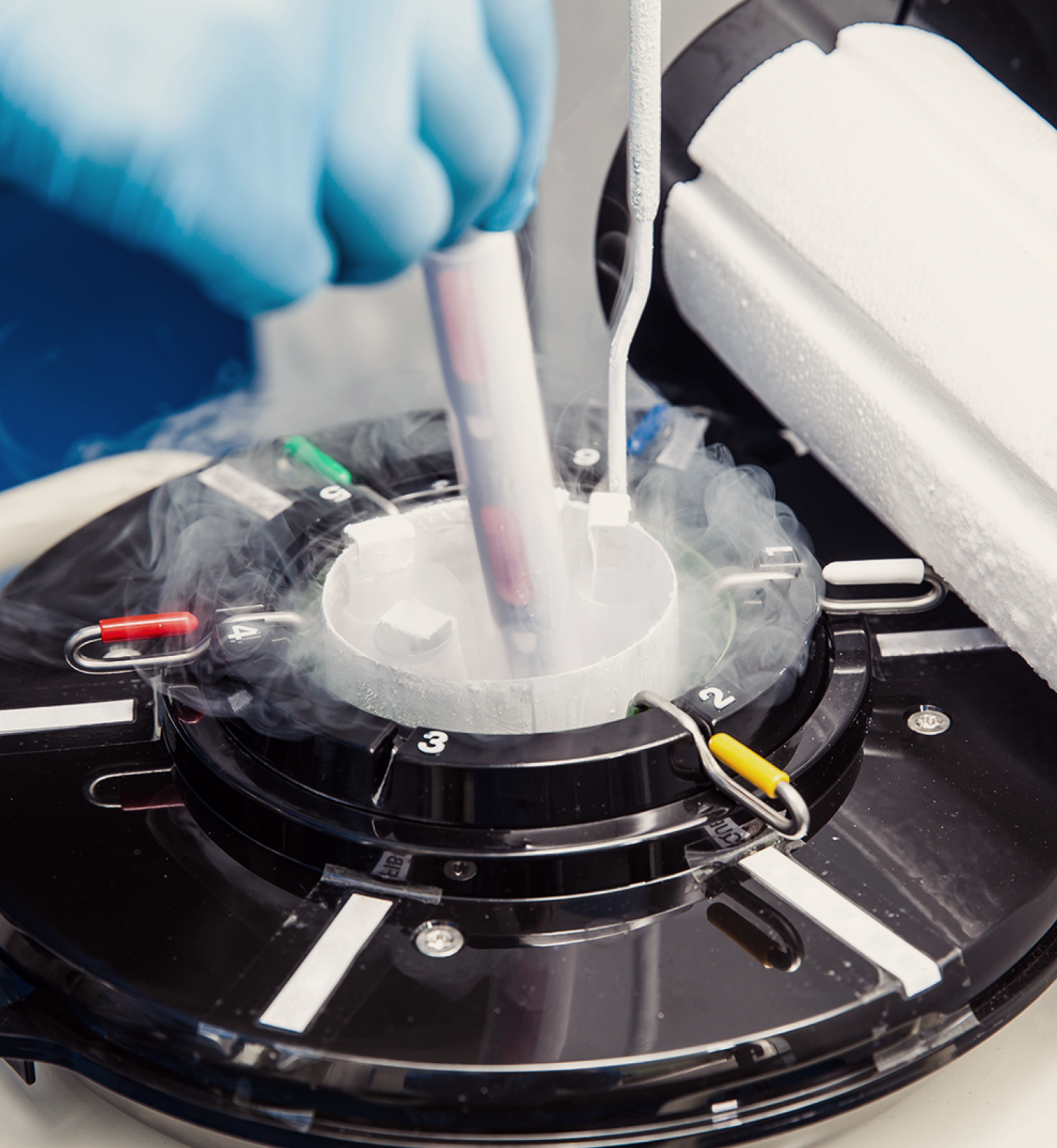
Preserve the option to be a dad after TRT.
What else does testosterone do?
Testosterone plays a significant role in biological functions. Researchers believe it affects things like libido, bone mass, strength, energy levels, and the production of sperm.
Normal testosterone can vary wildly between individuals, and we’re just beginning to understand the effects of supplementation, and when supplementation may be necessary. Anecdotal evidence suggests that men receiving testosterone supplementation feel less anxiety and have greater sex drive and energy levels, but to date, studies aren’t clear.
Too much testosterone can also affect sperm count, and potentially cause other physical symptoms like headaches and insomnia. Testosterone replacement therapy, or TRT, is known to impact fertility in a significant way—an effect that may be temporary or, for some men, permanent.
What impacts testosterone levels?
Changes in testosterone levels happen for a number of reasons. The biggest one is aging. As men get older, they’re more likely to experience testosterone deficiency. We’re not entirely sure why this happens, but it’s normal—and again, “normal” testosterone levels vary from person to person.
Another factor is obesity. People who are overweight may have lower testosterone levels, and some of the scientific literature actually demonstrates a positive correlation between testosterone supplementation and shedding those pounds. It may be a self-perpetuating cycle, with lower testosterone feeding weight gain and weight gain further suppressing testosterone, but further study is needed.
Smoking, something highly detrimental to sperm count and quality, can increase testosterone levels. One study of over 3400 men found that smokers had 13% higher free testosterone and 15% overall more testosterone than men who never smoked. This is definitely not an argument to take up smoking; although it may result in higher testosterone, it’s also one of the most detrimental habits for your sperm. Learn more about smoking and sperm health.
What you can do if you think you’re experiencing a “male period”
You can’t blame your hormones for your mood changes, yet. However, if you’re experiencing low sex drive, fatigue, or mood changes, there are some things you can do to get a diagnosis or improve your emotional wellbeing:
- See your primary care doctor (and maybe get a hormone test). Just because studies are inconclusive doesn’t mean you don’t need a big picture view of your health. Low (or high) testosterone levels could be a reason to check for other, co-occurring conditions. Your primary care doctor can also help you rule out thyroid issues, anemia, or other issues that may cause fatigue or mood changes.
- Talk to a therapist. Men are significantly less likely to seek mental health care than women, thanks to outdated ideas about masculinity—but thankfully that stigma is starting to change. If you are regularly or chronically experiencing low moods or mood swings, don’t be afraid to find a therapist, psychologist, or psychiatrist.
- Test your sperm. Testing your sperm gives you a plan for future family needs and points to other potential health issues.
- Explore lifestyle changes. Exercise, healthier food, relieving stress—all these things could help you get back on your game and build well-being.
- Take a break. Burnout is real, and sometimes the best thing you can do is lean into the mood and give yourself some time off. But don’t forget that one day off, or even a week of vacation, isn’t necessarily enough to counter a stressful lifestyle. We all need to be working toward building sustainable, balanced lives.
Find what's right for you

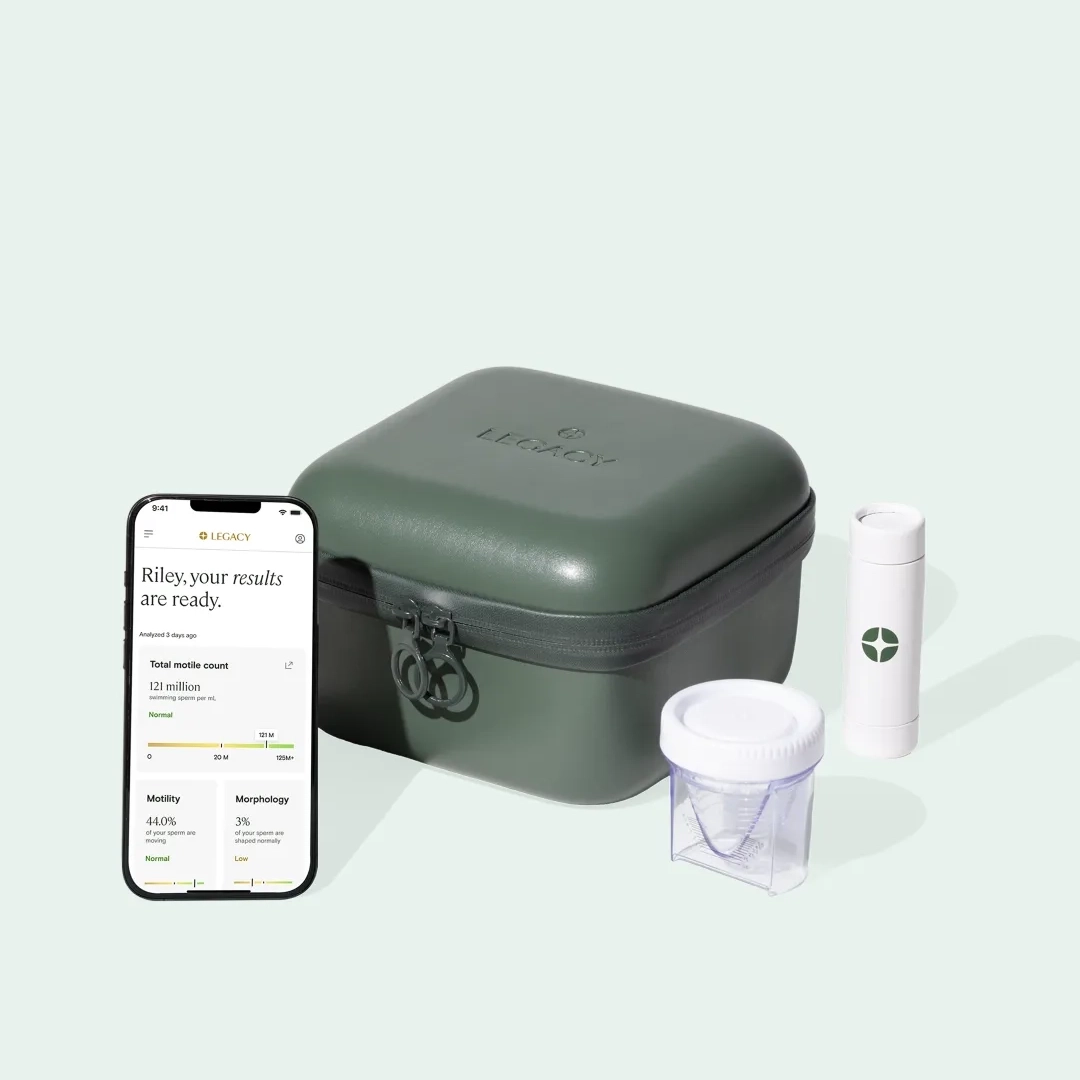
Standard Semen Analysis
$295
Key features

Semen volume
Sperm concentration & count
Motility
Morphology