Carrier screening for cystic fibrosis


You can pass cystic fibrosis to your child even if you don’t have the disease. We explain how carrier screening shows the risks and options if you’re a carrier.
If you’re planning to have a child, it’s a good idea to undergo carrier screening for cystic fibrosis. Genetic carrier testing lets you know if you or your partner are carriers of the disease and if you could potentially pass it down to your child. We explain who should undergo carrier screening for cystic fibrosis, options for cystic fibrosis carriers, and cystic fibrosis causes, symptoms, and treatments.
Key takeaways
- Carrier screening for cystic fibrosis can check if you or your partner have gene mutations linked to the CFTR protein.
- If both partners have the mutation, there’s a chance your child could have cystic fibrosis, even if neither of you have it yourselves.
- While cystic fibrosis causes no symptoms in some people, it can lead to a severe disease in others.
- There’s currently no cure for cystic fibrosis. Treatments can help manage symptoms.
What is carrier testing?
Genetic carrier testing, also known as a carrier screening test, involves using genetic tests to check if a person has any genetic variations linked to certain diseases. Even if the person doesn’t have the disease themselves, they may still carry genes that could lead to the disease in their offspring. As a result, genetic carrier testing is often done when people are considering having children to help ensure they don’t pass down genetic diseases.
What is cystic fibrosis?
Cystic fibrosis is a genetic condition that affects organs throughout the body and causes particular issues with breathing. People with cystic fibrosis produce mucus that’s especially thick, leading to blockages and infections of organs.
Around 35,000 people in the U.S. have the disorder. As such, carrier screening for cystic fibrosis can be a good first step before starting a family.
What causes cystic fibrosis?
Cystic fibrosis is caused by mutations in the cystic fibrosis transmembrane conductance regulator (CFTR) gene. This gene gives instructions for making the CFTR protein, which is present in body organs that produce mucus. Problems with the CFTR protein caused by gene mutations result in overly thick, sticky mucus that creates blockages in the lungs.
There are nearly 2,000 CFTR gene mutations that researchers know of that can lead to disease. A child must inherit a mutation from both parents to develop cystic fibrosis. If they inherit one mutated CFTR gene from one parent and one normal CFTR gene from the other parent, they will be a carrier of cystic fibrosis and have a chance of passing the disease on to their own children.
If both parents are cystic fibrosis carriers (meaning each parent has one mutated CFTR gene), their children have a 50% chance of being a carrier, a 25% chance of inheriting a normal set of genes, and a 25% chance of inheriting two mutated genes and having cystic fibrosis. Carrier screening for cystic fibrosis can help detect these mutations.
What are the symptoms of cystic fibrosis?
It’s important to diagnose cystic fibrosis and start treatment early, which may reduce complications. Signs and symptoms of cystic fibrosis include:
- persistent cough, possibly with mucus or blood
- shortness of breath
- wheezing
- recurring lung infections
- nasal polyps
- constipation or chronic diarrhea
- salty skin
- male infertility
- being underweight
- muscle pain
- fever
- delayed growth
Cystic fibrosis may cause no symptoms in some people, while leading to serious complications, like lung infections, in others. The type and severity of symptoms depends on the organs affected by the disease.
Having trouble getting pregnant? The answer may be one test away.

Who should consider carrier testing for cystic fibrosis?
It’s recommended that parents-to-be undergo carrier screening for cystic fibrosis to check for the presence of the mutated gene.
Typically, the female partner is tested first. If they test positive as a carrier, the other partner will be tested. The male partner should also undergo carrier screening for cystic fibrosis if they have a family history of cystic fibrosis.
Carrier screening for cystic fibrosis costs
The cost of genetic carrier testing varies but may be up to around $400. Your health insurance may cover carrier screening for cystic fibrosis.
Frequently asked questions about carrier screening for cystic fibrosis
There’s a lot to consider around carrier screening tests and genetic diseases like cystic fibrosis. Here are answers to some of the most common questions about genetic carrier testing and carrier screening for cystic fibrosis.
If my carrier screening test is normal (negative), can I still be a carrier of cystic fibrosis?
Even with a normal carrier screening test result, it’s still possible you could be a carrier of cystic fibrosis. This is because genetic carrier testing doesn’t check for every mutation that can cause the genetic disorder.
What does it mean to be a carrier of cystic fibrosis?
Everyone has two CFTR genes, one inherited from each parent. If you inherit one normal CFTR gene and one CFTR gene with a mutation, you’re a cystic fibrosis carrier. This means that while you may be healthy yourself, you could potentially pass the mutated gene down to your children. As a result, your child may also be a carrier if they have one mutated CFTR gene, or they could have cystic fibrosis if they inherit a mutated CFTR gene from their other parent as well.
I have been diagnosed as a carrier of cystic fibrosis. What are the risks?
If you’re a carrier of cystic fibrosis, you have a risk of passing the condition down to your child. This risk is higher if your partner is also a carrier.
I’m a cystic fibrosis carrier. What should I do next?
If you and your partner are trying to conceive and you are a cystic fibrosis carrier, your partner should also undergo a carrier screening test.. If you’re both carriers, your child will have a 25% chance of having cystic fibrosis. You have a few options for having children:
- Have a child despite the risk.
- Use prenatal diagnostic testing when pregnant, or preimplantation genetic testing if you’re using in vitro fertilization (IVF), to see if your child will have cystic fibrosis.
- Use donor eggs or sperm from a donor who’s been screened for cystic fibrosis.
- Adopt a child.
Is prenatal testing available for cystic fibrosis?
Prenatal testing for cystic fibrosis can be performed after 10 weeks of pregnancy. It uses either chorionic villus sampling (removing a tissue sample from the placenta) or an amniocentesis (using a needle to withdraw a small amount of amniotic fluid for testing).
Is cystic fibrosis tested on a newborn screen?
All 50 states have a cystic fibrosis newborn screening program, according to the Cystic Fibrosis Foundation. Carrier screening for cystic fibrosis involves a blood test and, if needed, a DNA test.
Is there a treatment or management for cystic fibrosis?
Currently, there’s no cure for cystic fibrosis, but treatments can help manage the disease. Treatments may involve:
- Airway clearance techniques: These include breathing and coughing techniques, vibrating vests, special mouthpieces, and chest physical therapy to loosen lung mucus and make it easier to breathe.
- Medications: You or your child may take antibiotics for lung infections, anti-inflammatory medications to lower inflammation that can cause lung disease, bronchodilators to open airways, mucus thinners to help clear mucus, or CFTR modulators to reduce lung problems by correcting CFTR protein functions.
- Surgery: You may need a lung or liver transplant if you have severe complications from cystic fibrosis.
You’ll need to see your doctor regularly to monitor and manage your symptoms. They may use tools like blood tests, pancreas functionality tests, ultrasounds, x-rays, and lung biopsies, depending on your situation.
Lifestyle changes may also help you manage cystic fibrosis symptoms. These include:
- staying up to date on vaccinations
- maintaining a healthy weight
- exercising regularly
- taking all medications as directed
Find what's right for you

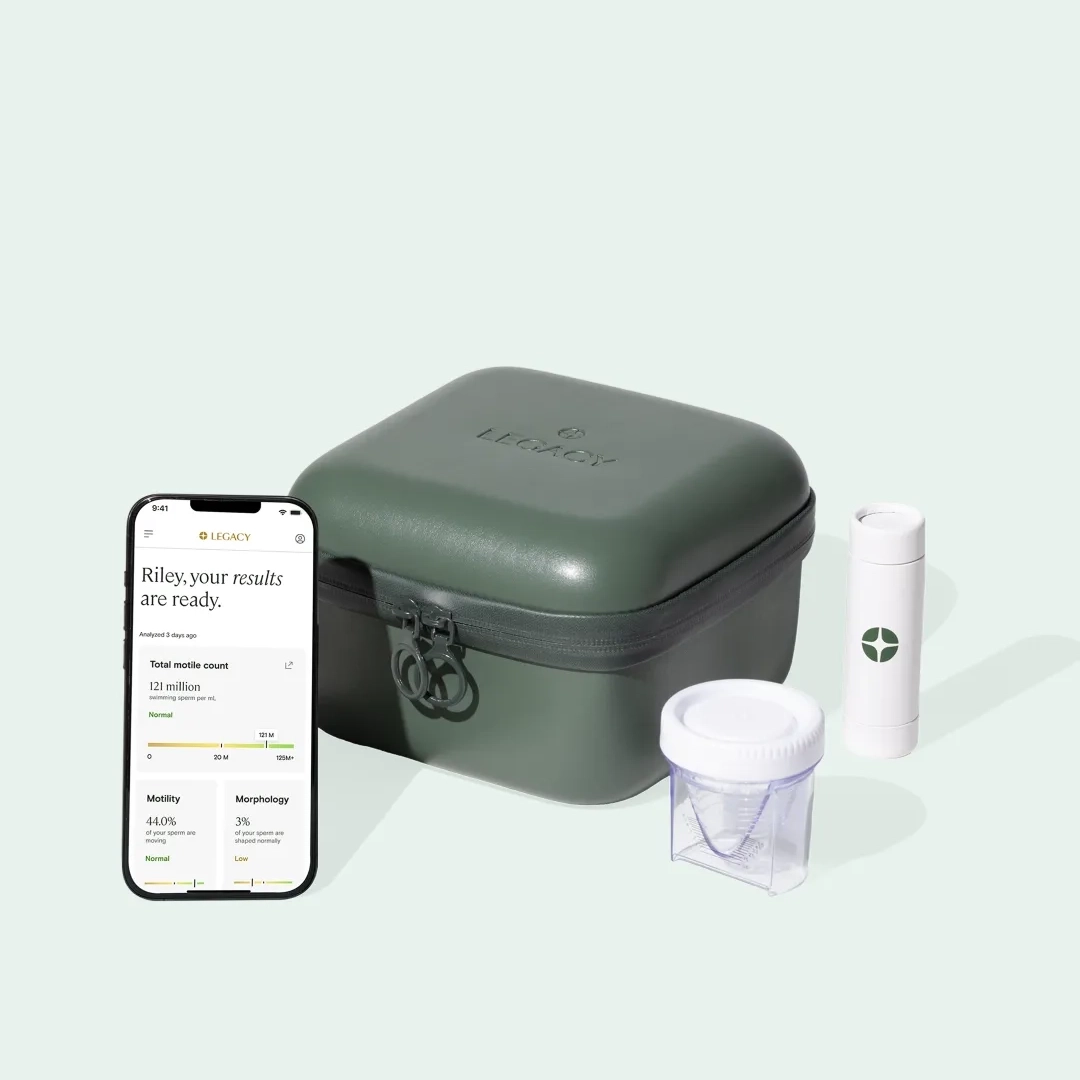
Standard Semen Analysis
$295
Key features

Semen volume
Sperm concentration & count
Motility
Morphology