What is a normal sperm count?



Sperm count is essential for fertility — but what is a normal sperm count? We answer that question, along with how to test your semen and improve your sperm.
You may have heard that your sperm count — the number of sperm in your semen each time you ejaculate — is an important factor for your fertility. This is because a higher number of healthy sperm increases the chances that one of them will fertilize an egg.
While several other factors, including semen volume, sperm motility (movement), and sperm morphology (normal shape) also play an important role, we’ll focus mainly on sperm count and fertility in this article. But what is a normal sperm count? We’ll explore that question, along with how to test your semen and improve your sperm health for increased fertility.
Key takeaways
- A normal sperm count — at least 39 million sperm per ejaculation — is essential for having the best chances of fertilizing an egg and conceiving a child.
- Many lifestyle factors and health issues can impact your sperm count.
- You can check your sperm count and other sperm quality indicators with a semen analysis.
- Lifestyle changes and, in some cases, medical treatments may help increase your sperm count if needed.
What is considered normal?
According to the World Health Organization, standard sperm count values are 39 million or more sperm with each ejaculation. A range of 20 to 150 million sperm per milliliter of semen (with normal semen volume varying from 1.5 to 5 milliliters with each ejaculation) is also considered normal.
Factors that impact sperm count
If your results indicate a lower-than-normal sperm count, first make sure you collected your semen sample properly. It’s best to analyze at least two samples from different times to get the most accurate results.
Alternatively, a low sperm count may result from various lifestyle habits or health issues. According to research from 2018, these factors may include:
- smoking, which is linked to lower sperm counts, concentration, motility (sperm movement), and morphology (sperm shape), particularly among people who smoke more than 10 cigarettes per day
- drinking alcohol, with moderate to heavy intake potentially impacting sperm production, motility, and morphology
- regularly using marijuana, cocaine, and other drugs, which may impair sperm production and reduce sperm count and concentration
- following an unhealthy or Western-style diet high in meat, refined grains, and sugar, which may be associated with poor semen quality
- being overweight or obese, which appears to be linked to lower total sperm count and concentration
- experiencing stress, which may harm sperm production and reduce sperm count
- being an older age, with sperm counts starting to decline after around 34 years of age
- engaging in activities, like bicycling, that increase scrotal temperatures, which can worsen sperm parameters and lower sperm count
- having health conditions like varicocele (enlarged veins in the scrotum) and cryptorchidism (undescended testicle), which can affect sperm production
Endocrine-disrupting chemicals, which are present in many everyday products and the environment, are also linked to lower sperm counts and infertility. Endocrine disruptors you may be exposed to that could lower your sperm count include:
- dioxins, which are found in the environment, animal fat, and dairy products
- polychlorinated biphenyls (PCBs), which may be present in electrical equipment, paint, and plastics
- pesticides like dichlorodiphenyltrichloroethane (DDT)
Having trouble getting pregnant? The answer may be one test away.

Why does sperm count matter?
Sperm count matters because with fewer sperm, you’ll have a lower chance of successfully conceiving a pregnancy. In some cases, people will have no sperm in their semen and may need to use assisted reproductive technology to extract sperm from the testicles to fertilize an egg.
How does sperm count affect fertility?
Sperm count is essential for fertility because you need enough healthy sperm to have a greater chance of fertilizing an egg. If a semen analysis finds sperm counts below the standard level and you have tried without success to conceive a child, you may be diagnosed with male-factor infertility.
In fact, research suggests sperm count is linked to up to 90% of male infertility issues, with other abnormal semen parameters possibly being related to sperm count as well.
Note, however, that a normal sperm count on its own may not be sufficient for fertility. The quality of your sperm, including its motility and morphology, also matters for sperm to effectively fertilize an egg.
Furthermore, even with low sperm counts, it may still be possible for you to conceive a child. In some cases, people with abnormal results from a semen analysis, including low sperm counts, still have sperm that can fertilize an egg to get their partner pregnant. As a result, while sperm count provides a valuable indicator regarding your fertility, abnormal results don’t definitively mean infertility.
Treatments for low sperm counts
Although your sperm count isn’t the only factor affecting your fertility, it’s still an important one, so you’ll likely want to take steps to improve your sperm health and increase your sperm count.
Certain lifestyle changes may help improve your sperm count. These include:
- following a healthy diet, specifically one like the Mediterranean diet, which research indicates may help improve sperm count and motility, along with overall semen quality
- quitting smoking (if you smoke)
- limiting your alcohol intake
- reaching or maintaining a healthy weight
- getting regular exercise
- reducing your exposure to endocrine disruptors, whether through foods, air pollution, or plastics
- getting sufficient sleep
- taking male fertility supplements (make sure to talk to your doctor before starting any new supplements)
The sperm production process takes around two months, so it will be some time before you see any difference in your sperm count from lifestyle changes.
If your low sperm count has a medical cause, you can look into receiving treatment to resolve the issue. For instance, this may include surgery to correct a varicocele, antibiotics for an infection, or hormone medications if a hormone imbalance is causing low sperm counts.
If none of these methods work to increase sperm counts and you’re having difficulty conceiving, you may look into assisted reproductive technology. Procedures like in vitro fertilization (IVF) or intracytoplasmic sperm injection (ICSI) obtain sperm from ejaculation, or by surgically retrieving it from the testicles, then combine it with an egg in a lab dish. Once the sperm fertilizes the egg and creates an embryo, it can be implanted in the womb to lead to a pregnancy. If these attempts are also unsuccessful, using donor sperm or adopting a child are other options.
How to test your sperm count at home
Legacy makes it easy to test your sperm with an at-home semen analysis. The analysis may be covered by insurance depending on your plan.
Once you’ve ordered and received your testing kit, you’ll start by collecting a sample of your semen through masturbation. Note that it’s important to avoid ejaculating for two or three days before testing your semen for the most accurate result.
After you ship your sample back, you’ll receive a sperm analysis report within two business days.
Interpreting your results
In addition to sperm count, the analysis will reveal your semen volume and sperm concentration, motility, and morphology — all additional important factors for assessing your fertility.
Again, these results won’t tell you definitively whether you’re fertile and capable of conceiving a child. Instead, they indicate your overall sperm health and point to areas that could potentially improve your fertility. These may be lifestyle changes or possible medical treatments for health conditions that could be harming your sperm. Understanding your sperm count and sperm health through a semen analysis is a valuable first step toward helping you conceive a child.
Find what's right for you

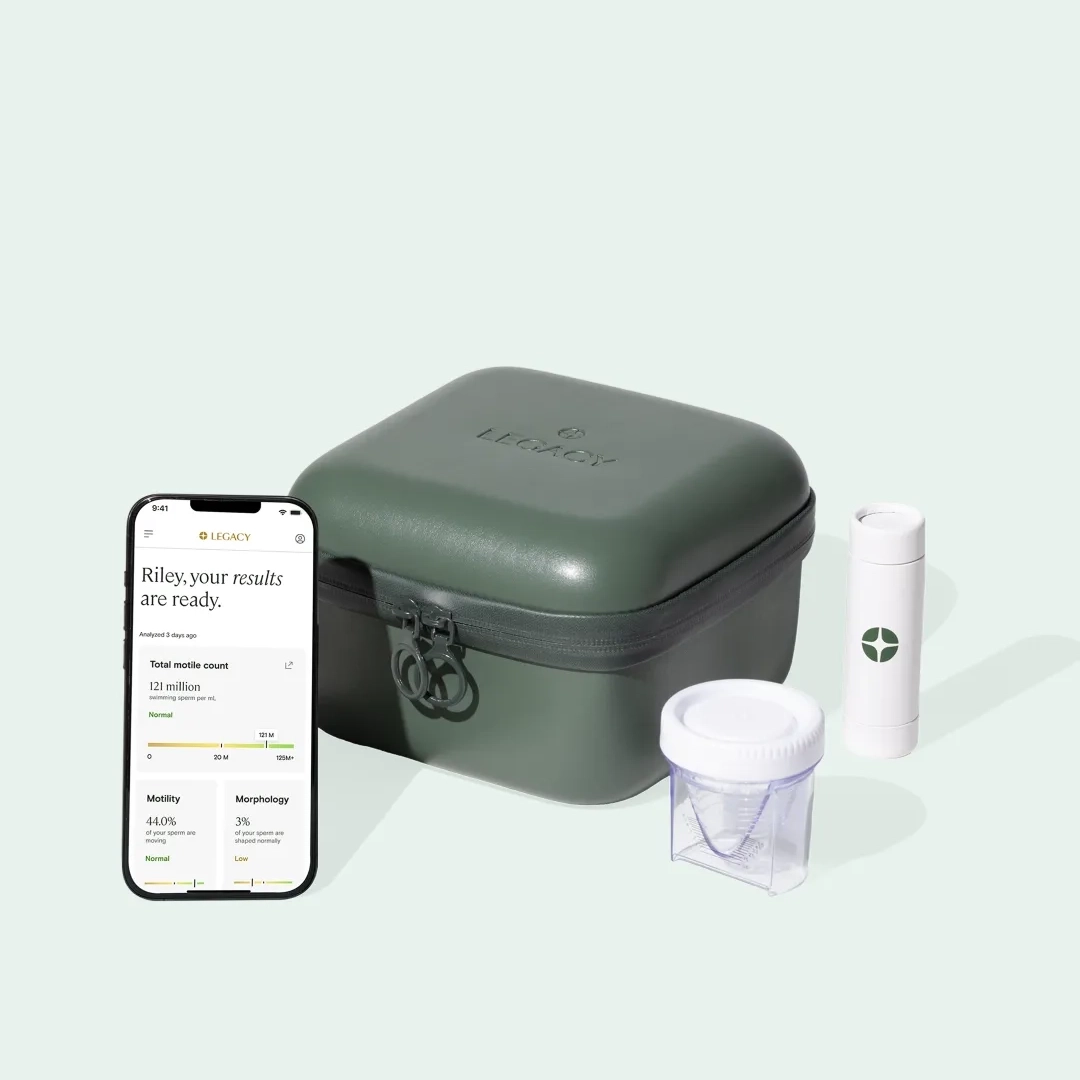
Standard Semen Analysis
$295
Key features

Semen volume
Sperm concentration & count
Motility
Morphology