Common vasectomy questions, answered



Let’s look at some of the most common questions about vasectomy, including how painful it really is, and what happens to the sperm after the vas are snipped.
Each year, over half a million Americans undergo a vasectomy. Though this procedure can usually be carried out in less than 30 minutes, it’s a highly effective form of permanent contraception.
However, those considering “the snip” often have questions, concerns, or even anxieties about the procedure. In this article, we will look at some of the most common questions about vasectomy, including how painful a vasectomy really is, and what happens to the sperm after the vas are snipped.
Key takeaways
- There should be no pain during the vasectomy thanks to the administration of local anesthetic. Discomfort or pain during the recovery process is typically managed by over-the-counter pain relievers.
- Most vasectomy patients take a few days to recover, and can resume strenuous activities after a week.
- A vasectomy will not alter the appearance of your genitals or ejaculate, or change anything about your sexual drive or function. You’ll be able to resume sex after one week, but it’s essential to use back-up forms of birth control until your vasectomy is confirmed to be effective with a post-vasectomy semen analysis.
How long does a vasectomy take?
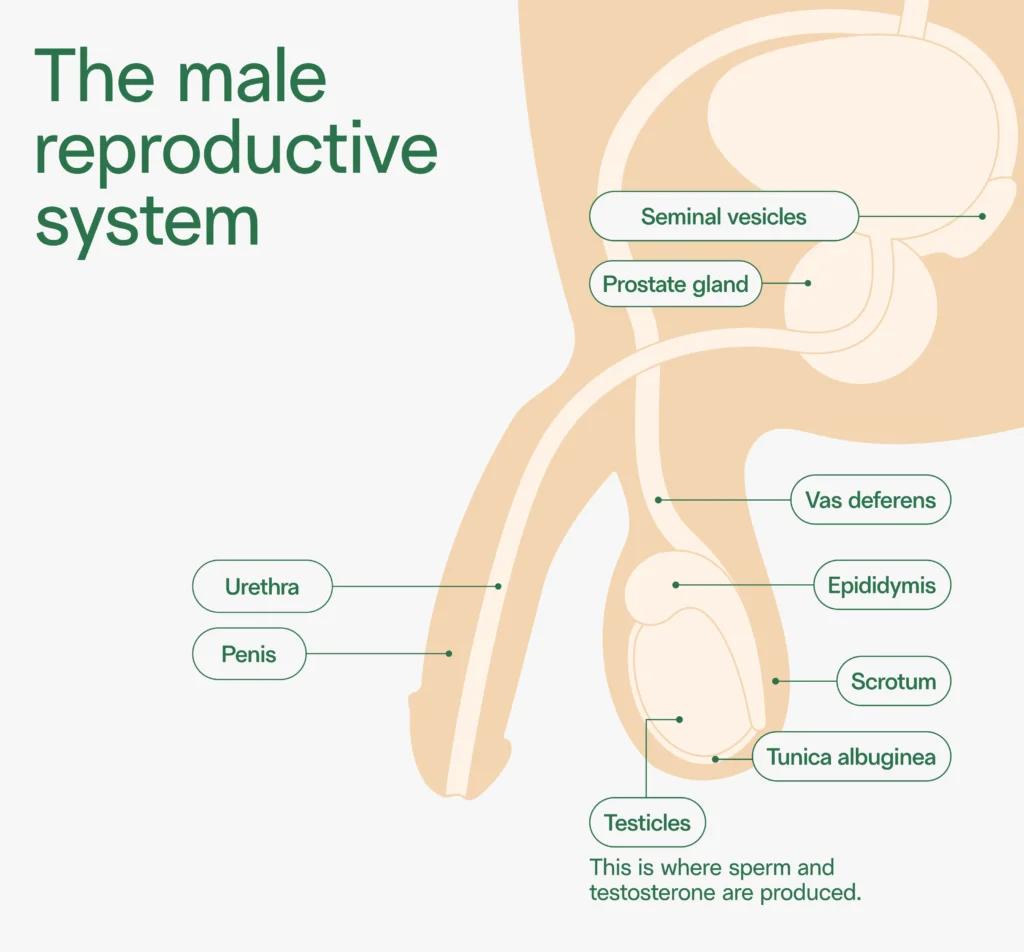
The vasectomy process involves snipping the vas deferens, the two tubes that connect the testes to the urethra and transport sperm into the semen.
When you arrive at the clinic, your scrotum will be shaved, if needed, so your doctor can easily access your testes. You’ll be given an injection in your scrotum to numb the area so you don’t feel any pain during the procedure.
The doctor will make a small incision or puncture in your scrotum near the vas deferens. Each vas deferens is then cut and sealed. Finally, the initial cut is closed up with stitches or surgical glue. After resting for a while post-surgery, you can return home to recover.
The whole procedure lasts between 20–30 minutes, including a few minutes of waiting for the numbing to take effect. It is a very quick, safe, and relatively simple procedure.
Be honest: How painful is a vasectomy, really?
You shouldn’t feel any pain at all during the procedure, because you’ll be given a local anesthetic to numb your entire scrotal area. For most patients, the most painful moment is the quick scratch they feel during the injection for the anesthetic. The doctor will wait for this to take effect before beginning the procedure. During the surgery, you should feel pressure or sensations of movement, but no pain. The doctor may also give you some medicine to help you relax if you are feeling particularly anxious about the procedure.
After the surgery, the local anesthetic will gradually wear off, at which point pain relief medication becomes important. Normally, the pain is completely manageable with over-the-counter pain relievers, such as ibuprofen, and ice packs. Many patients only need to take pain relief for the first 24 hours following the surgery to reduce the swelling and manage the pain.
How to manage pain or discomfort after a vasectomy:
- Wear tight-fitting underwear. This will keep your testicles snug and prevent them from swinging, which will aid recovery and reduce pain and swelling.
- Take pain relief medicine, over the counter or whatever has been prescribed by your doctor.
- Use an ice pack for 20-minute sessions on your scrotum to reduce swelling.
- Follow the post-op recovery guidelines carefully, to avoid injuring your surgical site.
Planning a vasectomy?

How long will it take to recover from a vasectomy?
Generally, vasectomy patients should plan to rest for a day or two after their procedure, and then avoid strenuous activity for one week.
Vasectomy post-op guidelines include:
- Don’t do strenuous jobs or physical activity such as high-energy exercise for at least a week following the vasectomy.
- Do not have sex or masturbate for a week following the surgery.
- Do not have a bath or swim for two days.
How long should you take off from work following a vasectomy? This depends on how physically demanding your work is. You will need to book at least one day off work. You may be able to return to work on the second-day post-operation if you have a fairly sedentary job that requires no heavy lifting or physical activity. If your job is physically demanding, then you may have to take a week off work.
Many vasectomy patients plan their procedure for a Friday, then recover over the weekend and return to work the following Monday.
Will getting a vasectomy change what my semen looks like?
No, having a vasectomy will not create any noticeable change to what your semen looks like. Ejaculate is made up of seminal fluid and sperm, but sperm is only about 2–5% of your semen by volume. After the vas deferens have been cut, the seminal fluid remains the same, without the addition of the sperm. The only difference will be the lack of sperm in the post-surgery ejaculate, and this difference is not detectable by the human eye.
Some men report a slightly smaller amount of ejaculate post-vasectomy but this would be a negligible difference in volume as sperm account for roughly 2–5% of the ejaculate volume.
Sometimes the first time you ejaculate after the vasectomy, you may experience a bit of mild discomfort and possibly a small amount of blood in the semen. If ejaculation is still causing discomfort after a few weeks post-surgery, seek advice from your doctor to make sure everything is healing correctly.
When can I have sex again after a vasectomy?
You can have sex, or masturbate, a week after your vasectomy. It’s extremely important that vasectomy patients understand that their vasectomy is not immediately effective. There may still be some residual sperm in the tubes for several weeks or even months following the surgery. If you’re having sex, use condoms or another form of birth control to avoid pregnancy.
You should also be aware that vasectomy does not protect you from sexually transmitted infection (STI). So if you are not in a monogamous relationship, you’re having sex with someone new, or your partner has an STI, you should always use a condom even after vasectomy.
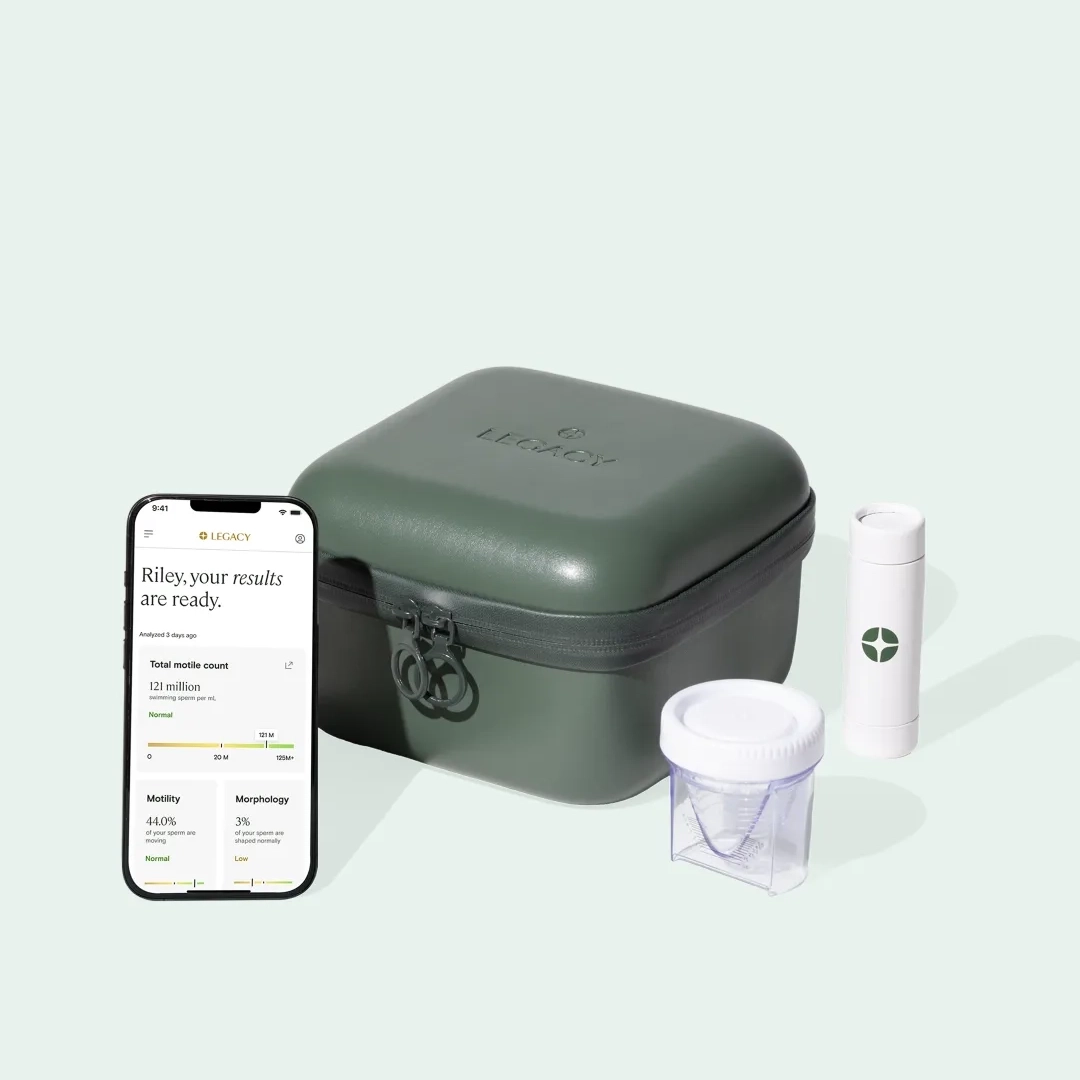
Your doctor will advise you to have a semen analysis after your vasectomy. A semen analysis involves ejaculating into a sample cup; the sample is then analyzed to assess whether it contains any sperm. Typically you should get a semen analysis about 2–4 months after your vasectomy, or after about 20 post-op ejaculations (ejaculating helps to clear out old sperm). At this stage, around 20% of men will still have sperm in their ejaculate, and so a further semen analysis will be carried out to confirm sterility a few weeks later.
Legacy offers an at-home semen analysis to confirm your vasectomy has been successful.
Where does the sperm go after a vasectomy?
Your body does not stop making sperm entirely after the “snip” Sperm production, known as spermatogenesis, continues even after the tube out has been closed through the vasectomy procedure (though sperm production may decline by 20–40%).
As the sperm cannot leave the body, are reabsorbed by the membrane lining of the epididymis, where they dissolve. This is a natural bodily process, and the body’s absorption of sperm does not interfere with erections, orgasm, testosterone production, or cause future issues for those who have had a vasectomy.
If you’re planning a vasectomy, freeze your sperm first. Why? Learn more about sperm freezing before a vasectomy.
Find what's right for you

Standard Semen Analysis
$295
Key features

Semen volume
Sperm concentration & count
Motility
Morphology