Can vasectomies fail?



Let’s take a look at the risk of vasectomy failure, and what you can do post-procedure to ensure your vasectomy is successful.
Vasectomy, a surgical procedure that’s a form of permanent male birth control, is highly effective — over 99% effective. Let’s take a look at what happens during and after a vasectomy, the risk of vasectomy failure, and what you can do post-procedure to ensure your vasectomy is successful.
Key takeaways
- Although vasectomy (permanent male sterilization) is one of the most effective forms of birth control, there is a very small chance of a vasectomy failing.
- How can a vasectomy fail? The most common reason for vasectomy failure is having unprotected sex before the procedure was confirmed to be successful.
- Most vasectomy failures occur within weeks of the procedure; in very rare cases, vasectomy failure has been reported years later.
- The most important thing a person can do to prevent vasectomy failure is to have a semen analysis after the procedure to ensure no motile sperm remains in the ejaculate.
How a vasectomy works
A vasectomy is a surgical procedure in which a doctor cuts and seals the vas deferens, the tubes that connect the testicles to the urethra. (There’s one tube leading to each testicle, left and right.) This prevents sperm, which is produced in the testicles, from traveling to join the seminal fluid (or semen), which is produced by the seminal vesicles and prostate, and being ejaculated out of the body.
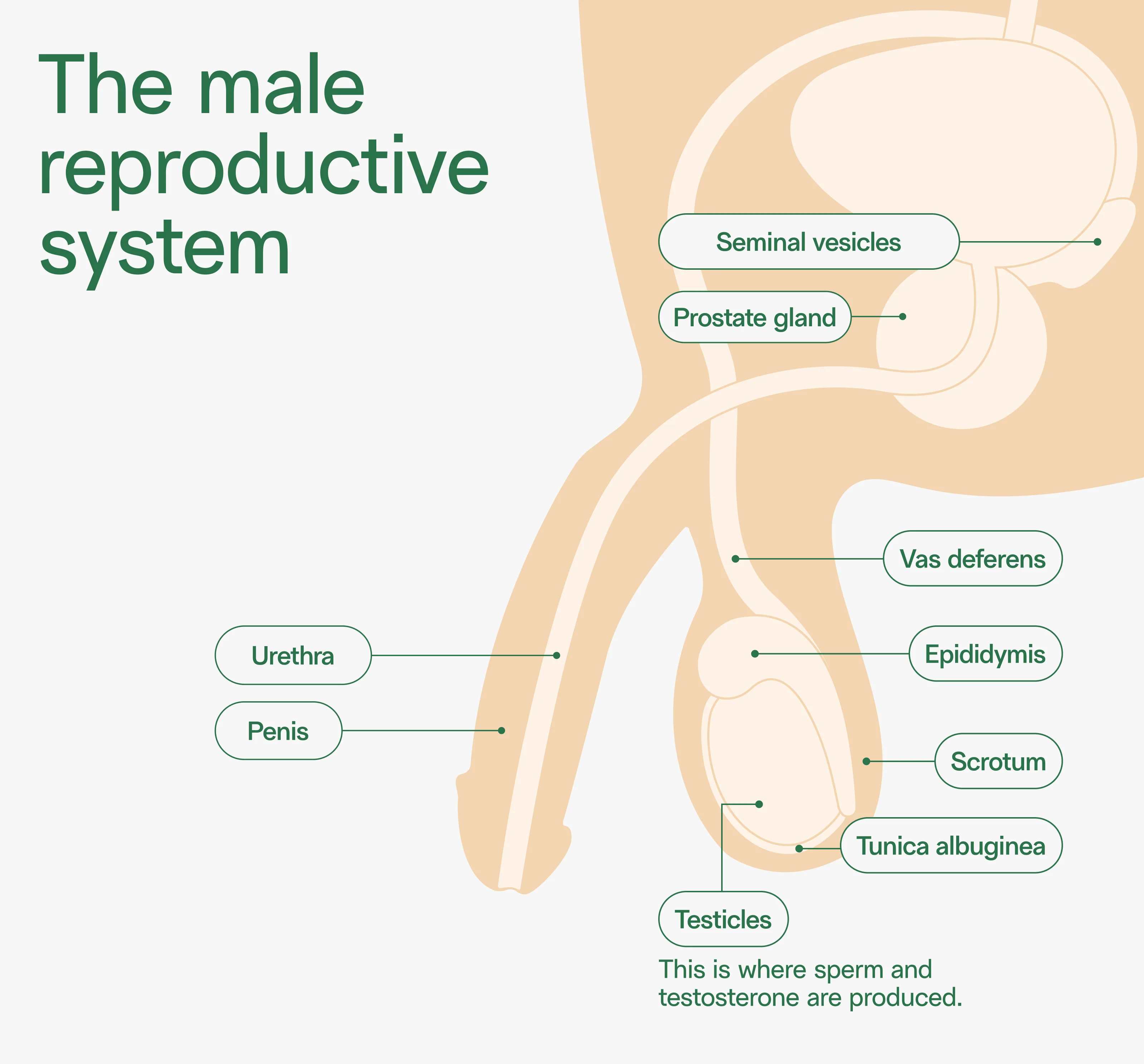
There are two types of vasectomies:
- Incision method. Often known as “traditional” or “conventional” vasectomy, in this method, a surgeon will make one or two small incisions along the scrotum to reach the vas deferens.
- No-scalpel method. In a no-scalpel vasectomy, the surgeon punches a small hole in the scrotum to access the vas deferens.
About 50 million American men have had a vasectomy, about 5% of all married men of reproductive age. About 500,000 vasectomies are performed each year, and that number is rising, particularly among younger men.1
Learn more about how a vasectomy works.
What is vasectomy failure?
A vasectomy is considered a “failure” if a person who has had a vasectomy causes pregnancy via intercourse after having the procedure. This is highly unlikely, but can happen in cases of patient or surgical error.
Planning a vasectomy?

Causes of vasectomy failure
Why would a vasectomy fail? It could be due to one of three reasons:
Unprotected intercourse too soon after vasectomy
After vasectomy, the patient is not immediately sterile. There may still be sperm in the vas deferens, and it can take 30 ejaculations to flush out all remaining sperm after a vasectomy. That’s why vasectomy patients are advised to use back-up birth control until a semen analysis confirms there’s no sperm left in their semen.
If this isn’t followed, sperm remaining in the vas deferens can make their way into the semen and fertilize an egg, causing pregnancy. This is the most common reason that a vasectomy might fail.
Recanalization
A much rarer cause of vasectomy failure is recanalization, in which the vas deferens reconnect or “grow back” after the surgery.
What are the odds of a vasectomy reversing naturally? One study followed over 14,000 men who had a vasectomy and found that, after 3 years, only 6 men were able to cause a pregnancy as a result of recanalization.2
There’s some evidence to suggest certain vasectomy techniques can reduce the chances of recanalization. These techniques include placing each end of the cut vas deferens away from each other (fascial interposition) or cauterizing the ends of the tubes (closing them with an electrical current).3
Surgeon error
If a surgeon performs a vasectomy incorrectly — for example, if they miss a vas deferens — it may fail. If semen contains active sperm cells six months after a vasectomy, it’s considered a technical failure. The AUA says the chance of this happening is between 0 and 1%.4
Chance of a vasectomy failing
We’ve established it’s possible for a vasectomy to fail, but what are the chances? Vasectomy failure is rare — in fact, vasectomy has one of the lowest failure rates of any form of contraception. According to the American Urological Association (AUA), vasectomy has a 0.05 percent (1 in 2,000) chance of failure.4 For comparison, the failure rate of condoms is 1 in 100 uses, and the failure rate of tubal ligation is 1.85 in 100 cases.
Can a vasectomy fail after 5, 10, or 20 years?
Most vasectomy failures occur within the first weeks after vasectomy.5 And again, most of these failures are due to the “user error” of having unprotected sex too soon after the vasectomy.
How long after a vasectomy can it grow back? There have been reported cases of recanalization happening years after the procedure, but it’s very rare — less than 0.05% of cases.2
How to prevent vasectomy failure
There are simple steps you can take to prevent pregnancy after vasectomy:
- Follow your surgeon’s instructions to ensure you heal properly.
- Use a back-up form of birth control for about 3 months after the procedure.
- After that, get a semen analysis to ensure there’s no sperm left in your semen. You can do this at a doctor’s office or with an at-home sperm test like those offered by Legacy.
How to check if a vasectomy is still working
It’d be nice if our bodies came with some kind of dashboard to give us a status report. Unfortunately, the only sign that a vasectomy has grown back together is pregnancy.
However, if you’ve passed your post-vasectomy semen analysis with flying colors — and zero sperm — rest assured: it’s highly unlikely your vasectomy will fail. Studies have found that just 1 in 2,000–3,000 vasectomy patients with confirmed azoospermia will cause an unwanted pregnancy in the future.2
References
3. Lowe, “Optimizing outcomes in vasectomy: how to ensure sterility and prevent complications.” 2016.
4. Sharlip et al, “Vasectomy: AUA Guidelines.” 2012.5. Labrecq et al, “Frequency and patterns of early recanalization after vasectomy.” 2006.
Find what's right for you


Standard Semen Analysis
$295
Key features

Semen volume
Sperm concentration & count
Motility
Morphology