The difference between sperm freezing and sperm donation


Find out the difference between sperm freezing and sperm donation, as well as the benefits and costs of sperm freezing.
Sperm freezing, or sperm cryopreservation, is an effective way to preserve one’s fertility for the future. In the past, sperm freezing was often sought by individuals who saw their fertility under immediate threat, like those about to undergo cancer treatment or members of the armed forces. But now, with sperm freezing becoming more accessible and people waiting longer to have kids, more and more young people are choosing this route, whether they are sure they want children or not.
Many individuals who opt for sperm freezing for the future do so for personal use, but a sperm donor deposits their sperm so that someone else can use it. While sperm donation does typically require sperm freezing so that the sperm can be thoroughly screened for infectious diseases, sperm donation is its own entity with its own distinct benefits from sperm freezing.
Learn more about the process of sperm freezing and its associated costs, how sperm donation works, and the benefits of each.
Key takeaways
- Sperm freezing is the process of collecting, freezing, and storing a sample (or samples) of sperm using liquid nitrogen. It is commonly used as a way to preserve one’s fertility for future use.
- Sperm donation entails a person giving or selling their sperm so it can be used by an infertile individual or couple.
- Both sperm freezing and sperm donation are multi-step processes that include checking the quality of sperm and screening for diseases.
- Sperm donors can be anonymous or they can donate to a family member or friend.
- Anyone can opt for sperm freezing, but sperm donation requires donors to meet a number of stringent eligibility requirements. Donors can be denied if they are not young enough, healthy enough, and even if they are gay.
What is sperm freezing?
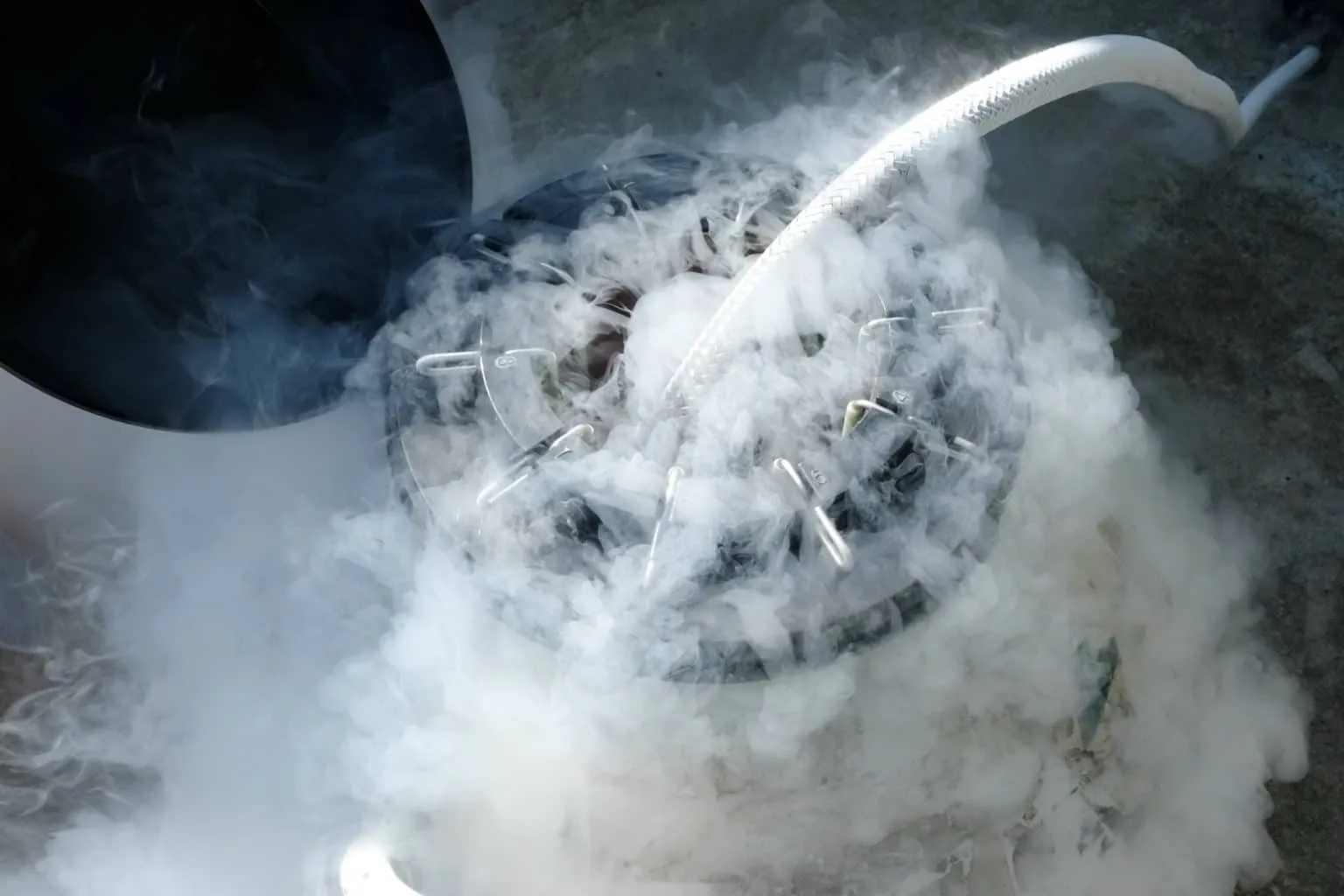
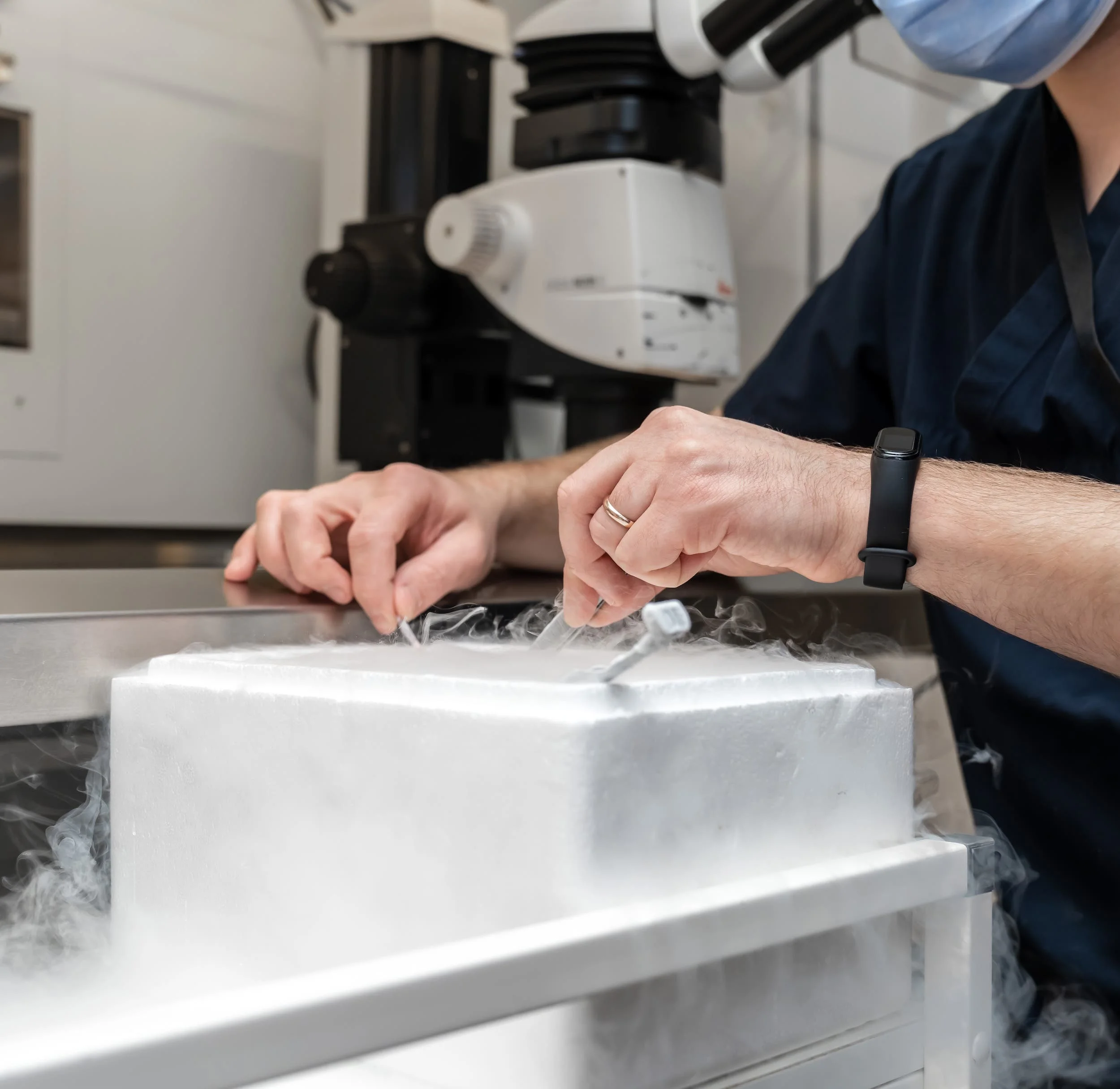
Sperm freezing is the process of collecting, freezing, and storing a sample (or samples) of sperm using liquid nitrogen. By freezing the sperm at a temperature of -196ºC, cryopreservation pauses all biological activity while preserving its viability. When it’s ready to be used, the sperm sample can be thawed and used in a variety of treatments, such as intrauterine insemination (IUI) or in vitro fertilization (IVF).
Sperm freezing process
The sperm freezing process involves a number of steps that do not include your home freezer. In fact, sperm freezing at home is futile as the process requires a special lab and liquid nitrogen storage tanks that hold the temperature at the recommended -196ºC, while home freezers typically hover around -18°C.
The following steps will take you through the sperm freezing process, from the semen analysis to long-term sperm storage.
Sperm freezing step 1: Semen analysis
A sperm sample can be sent to a lab a number of ways: by visiting a fertility clinic or sperm bank, or by using a sperm freezing kit at home. Once received, lab technicians will perform a semen analysis to check sperm quality and quantity, including sperm count, motility (how many sperm are moving), and morphology (how many sperm are properly shaped). The semen will also likely be screened for sexually transmitted infections (STIs).
Sperm freezing step 2: Cryopreservation
After analysis, the semen is “washed,” which removes the plasma of the semen and any contaminants. It is then mixed with a special fluid (a cryoprotectant) to protect the sperm from damage during freezing and cooled slowly before being plunged into liquid nitrogen. A sample of this sperm will be set aside for a post-thaw analysis to be performed a day after being cryopreserved.
Sperm freezing step 3: Post-thaw analysis
The post-thaw analysis is a crucial step in the sperm freezing process and can be seen as a test run. A small portion of your sample will be thawed and re-analyzed to ensure the sperm is still viable after the freezing and thawing process. Research shows it is normal to have a lower concentration or motility after thawing, but 80% of the sperm should survive the process.
Legacy offers the only at-home sperm freezing kit that includes a post-thaw analysis, so you can be assured the sample you are providing is ideal for sperm storage.
Sperm freezing step 4: Long-term sperm storage
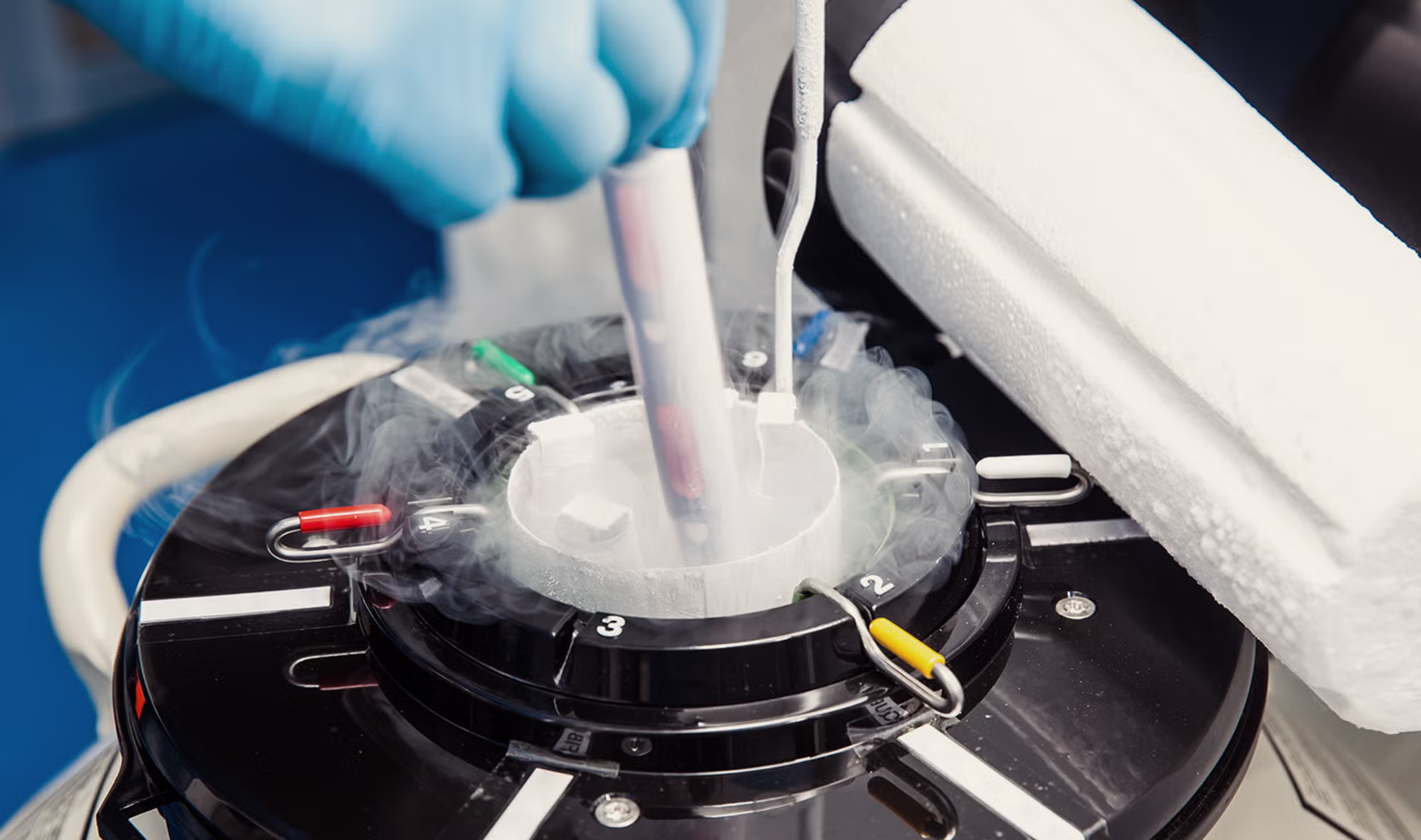
If the sample has remained viable after post-thaw analysis, the rest of the sperm will be transferred to liquid nitrogen storage tanks and maintained at their low temperature for long-term sperm storage. Sperm samples frozen with Legacy are stored at multiple sites to mitigate any risk of damage.
Not ready to start a family right now?
Who should consider sperm freezing?
Sperm freezing is ideal for anyone who wishes to preserve their fertility for the future. Some of the most common candidates for sperm freezing and sperm storage include:
- cancer patients about to undergo chemotherapy or radiation treatment that may damage sperm
- trans women considering gender reassignment surgery
- people with high-risk jobs like construction, emergency response, or active military service
- those considering having a vasectomy
- people who plan on having children later in life (after the age of 35)
- anyone who wishes to preserve their fertility for the future while still young and healthy
Sperm freezing costs
Sperm freezing costs will vary depending on the location and length of sperm storage. If you choose to go to a traditional fertility clinic or sperm bank, the testing and storage will typically cost around $1,000 with an additional $300–$500 per year for ongoing sperm storage. In many states, sperm freezing will not be covered by insurance unless it is recommended by a physician, and even then it is not guaranteed.
If you use Legacy’s at-home sperm freezing kits, you will pay $295 for a semen analysis kit, in which you can add on sperm storage starting at just $245 per year. There are also sperm storage bundles that offer additional savings and the option to pay in installments. View all at-home sperm freezing kits and sperm freezing bundles at Legacy. .
What is sperm donation?
Sperm donation entails a person giving or selling their sperm so it can be used by an infertile individual or couple. This person can be anonymous or a known donor. Whether the sperm donor is giving their sperm anonymously or to a friend or family member, they must be screened to ensure the sperm is healthy and viable and to rule out any hereditary or medical conditions the donor may have. According to The Sperm Bank of California, only one out of five men (20% of applicants) has a high enough sperm count to preliminarily qualify to enter the formal donor screening process.
Anonymous sperm donation vs known sperm donation
With anonymous sperm donations, individuals or couples trying to get pregnant will typically visit a sperm bank to purchase sperm, which can vary from $400 to $2,000 per vial. Though the identity of an anonymous sperm donor is hidden, these individuals are not entirely anonymous. Those seeking sperm will have access to sperm donor profiles, which detail physical traits, education, talents, and personality characteristics. Sperm donors are also thoroughly screened for diseases, genetic conditions, and mental health illnesses. These donors will not be involved in the child’s life, legally or emotionally.
Known sperm donors are usually family friends or relatives. Like an anonymous donation, a known sperm donation is also medically screened and tested to ensure it is safe to use. It is typically a more cost-effective route, though testing and storage will have its own associated costs. Using a known sperm donor allows an individual or couple to choose whether or not they would like the donor to be part of the child’s life and in what capacity. It is recommended to consult a lawyer to avoid any legal troubles down the line, should the relationship between the donor and recipient change.
How to become a sperm donor
Sperm banks are picky, and not always for good reason. To become a sperm donor, you should meet the following stringent eligibility requirements:
- Be young and in good health: Sperm donors should be between 18 and 40 years old and in good health, without any known genetic abnormalities or being at risk of developing a genetic disease later on. The donor should also be screened for mental illnesses.
- Have high-quality sperm: A sperm analysis will reveal the health of the donor’s sperm, which should be high in quality and quantity.
- Be free from infectious diseases: The donor should also be screened for STIs such as HIV, chlamydia, and syphilis. If considering being an ongoing donor, these tests will be repeated frequently.
- Be straight: Unfortunately, LGBTQ donors in the U.S. have been banned by the FDA since 2005. The ban was established in response to data from the 1980s and early 1990s, at the height of the HIV/AIDS epidemic, and remains in place even though donor sperm is screened for such diseases anyway. This antiquated rule unjustifiably excludes a number of potentially excellent donors despite there being many LGBTQ recipients.
Benefits of sperm donation
There are a number of benefits to being a sperm donor, whether you choose to donate anonymously or to a family member or friend. Being financially compensated is just one small bonus. As a sperm donor, you are helping someone else to start a family, which may otherwise be impossible for an infertile couple, same-sex couple, or single parent.
Having to undergo a thorough screening process is also a major benefit because it allows you to gain valuable insights into the health of your sperm as well as your overall health. Performing this kind of assessment can help reveal any infections or diseases that may have gone undetected had you not decided to donate sperm. You will also gain access into your family’s medical history to track any genetic diseases. Should one be detected, you may not be able to donate sperm, but you will be able to be proactive about developing a prevention or treatment plan for your own health.
Differences between sperm donation and sperm freezing
To sum up, sperm donation and sperm freezing are not the same thing, but they can both help you start a family, whether you’re donating your sperm to someone else or opting for sperm freezing for later use.
Find out more about sperm freezing and our at-home sperm freezing kits.
Find what's right for you

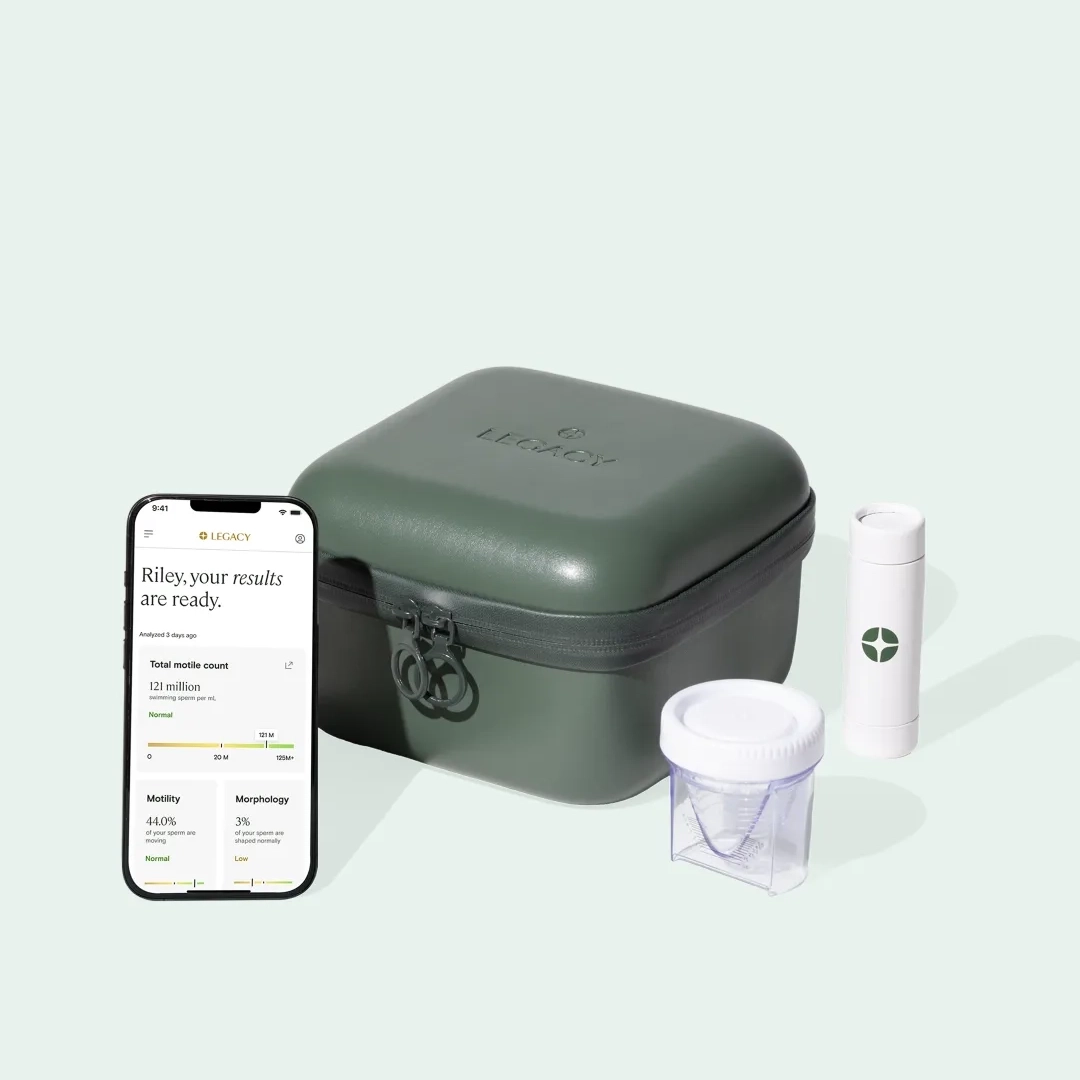
Standard Semen Analysis
$295
Key features

Semen volume
Sperm concentration & count
Motility
Morphology