Intracytoplasmic sperm injection (ICSI): What is it, and who’s a good candidate?


Intracytoplasmic sperm injection (ICSI) benefits, success rate, and treatment cost.
For roughly half of all couples struggling to conceive naturally, the cause of infertility is sperm-related. Intracytoplasmic sperm injection (ICSI) is one of the most effective treatment options for male-factor infertility. What is ICSI? Who should use ICSI? And why might it be helpful to carry out alongside IVF? Let’s explore.
Key takeaways
- ICSI is a powerful treatment that can help those with even severe male fertility issues become parents.
- It is beneficial for people with poor sperm quantity and quality, or for those who have limited quantities of frozen sperm.
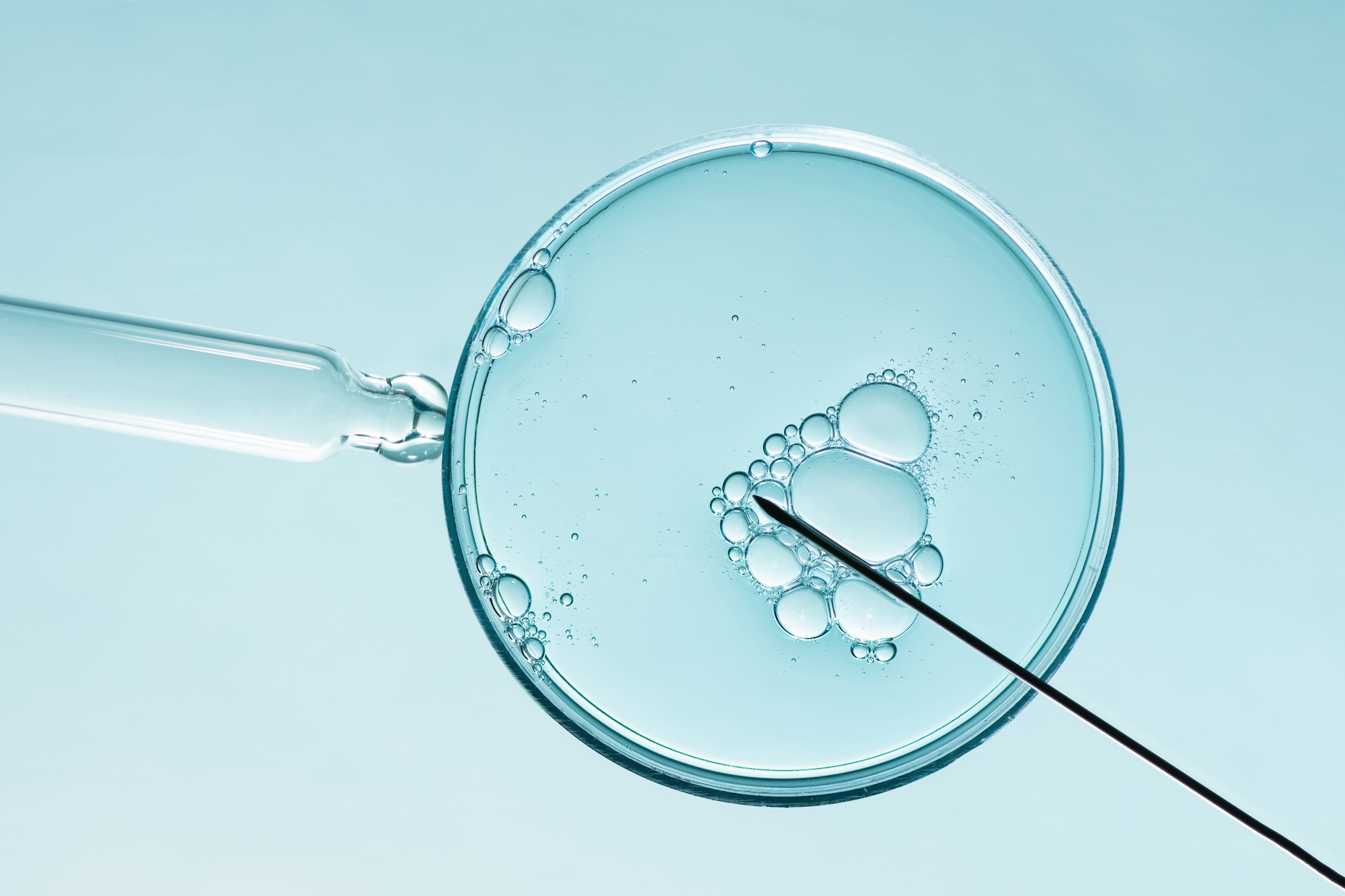
- ICSI helps promote fertilization during IVF by bypassing the need for sperm to be able to reach and successfully penetrate the egg; instead, a single sperm is injected directly into the egg’s cytoplasm.
What is intracytoplasmic sperm injection (ICSI)?
Intracytoplasmic sperm injection, or ICSI, is a technique used to aid couples trying to conceive. ICSI is one of the most powerful treatments available for male-factor infertility. It’s used alongside in vitro fertilization (IVF) treatment to improve success rates for many patients.
Simply put, the technique involves an injection of a single sperm into an egg (read on for an in-depth explanation of the ICSI process). ICSI has transformed male-factor infertility treatment because very few sperm are required, and the ability to reach and penetrate the egg is no longer a barrier to fertilization.
A step-by-step guide to ICSI
ICSI is a fertilization technique that can be used during IVF. Here’s what the ICSI procedure looks like, generally speaking:
- An IVF cycle using ICSI starts identically to a conventional IVF cycle. The patient providing the eggs will take fertility medications that stimulate their ovaries so that several eggs may be collected at once.
- The patient providing the sperm will produce a “fresh” sperm sample, or the lab can thaw a previously frozen vial of sperm.
- An individual sperm cell is picked up using a very fine suction needle before injection. (This needle is smaller than a human hair!)
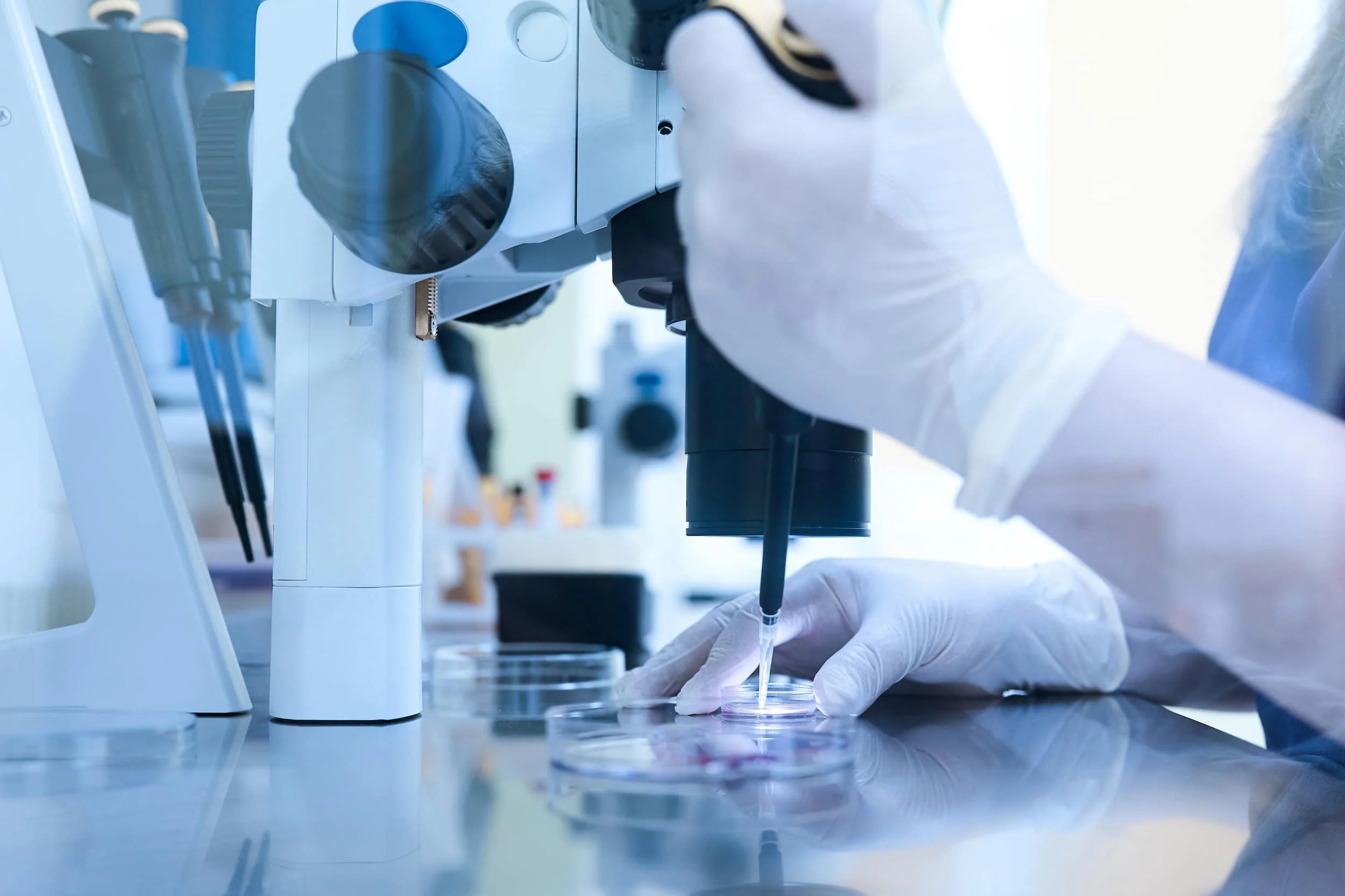
- The eggs are injected with a single sperm cell each. The sperm are injected through the outer layers of the egg, past the zona pellucida (the shell of the egg), and into the cytoplasm, which is the main body of the egg. The whole process is carried out using very high-magnification microscopes.
- The fertilized egg(s) are allowed to grow in the laboratory for 1–5 days to become embryos. Then, they can be transferred to the uterus (typically one at a time) or frozen.
Sperm freezing before ICSI
Can ICSI be used with frozen sperm? Yes, and it’s a very effective combination.
Sperm freezing is the process of collecting sperm, usually via masturbation, and cryopreserving it. Sperm freezing is accomplished using liquid nitrogen and special slow-cooling techniques that minimizes damage to the sperm and allows it to be stored for long periods of time.
Sperm freezing is helpful if:
- You are about to have a vasectomy and want to preserve the option of being able to have children in the future if you change your mind.
- You work in the military and are away for long periods, limiting your ability to conceive naturally in fertile windows, or if you are at risk of injury, chemical exposure, or death.
- You have a medical condition such as cancer, and are facing treatment that may impact your fertility.
- You are transitioning and want to preserve your fertility before gender-affirming hormone therapy begins.
- You have difficulty producing sperm samples on the day of fertility treatment.
- You are worried about the effects of aging on your sperm quality.
ICSI is equally effective, whether you use frozen or fresh sperm. In fact, ICSI can be a great way to maximize your chances of pregnancy with IVF if you have a limited quantity of frozen sperm. Read on to learn about ICSI success rates.
Legacy provides flexible sperm freezing options, at-home sample collection, and helpful payment plans. Find out more about sperm freezing.
What is the difference between IVF and ICSI?
ICSI is a specific technique used during in vitro fertilization (IVF). “In vitro” means “in glass,” and refers to the fact that the fertilization procedure is performed in a lab dish.
In conventional IVF, the egg and sperm are left in the dish to fertilize without any intervention. In this situation, many sperm are typically present in the sample and can swim to, penetrate, and fertilize the egg, just as would normally occur inside the fallopian tubes.
When using ICSI, a micro-needle is used to extract a single sperm cell, which is then directly injected into the cytoplasm of the egg. This bypasses the need for the sperm to move toward and enter the egg on its own. This can be especially helpful for those with low sperm count, poor morphology or motility, or limited available quantities of frozen sperm.
Having trouble getting pregnant? The answer may be one test away.

Who should consider ICSI?
ICSI is particularly recommended for those with:
- Poor sperm morphology, a condition in which many sperm are abnormally shaped and therefore struggle to reach and penetrate the egg.
- Poor sperm motility, when many sperm are unable to move or “swim” normally and struggle to reach the egg to fertilize it.
- Low sperm count.
- Limited quantities of frozen sperm.
- Sperm collected surgically from the testes (known as testicular sperm retrieval). This may be used if you’ve had a vasectomy, you have a blockage or missing ducts preventing sperm from entering the ejaculate, or if you have suffered an injury affecting your fertility. This may also be required if you have a genetic condition or an extremely low sperm count.
- Insufficient semen quality on the day of IVF.
- Previous failed cycles of IVF, including low fertilization rates.
Emerging research also shows that ICSI may increase success rates with IVF for older couples, especially couples with a female partner over 35.
Is ICSI a good choice to treat male-factor infertility?
ICSI may be beneficial for people with fertility issues related to sperm health. In fact, ICSI has been used to achieve pregnancy even in very severe cases of male-factor infertility.
ICSI success rates
ICSI does not guarantee fertilization. On average, 60–80% of eggs injected during ICSI will fertilize.
ICSI may not increase success rates for those without specific male-factor infertility concerns. One study found that pregnancy rates were comparable for ICSI and conventional IVF cycles, when looking at patients with normal semen health.
However, for those with sperm health issues, ICSI may be effective. One small study found that, for couples who experienced fertilization failure during previous IVF cycles, using ICSI resulted in a 72% pregnancy rate. Another found that for patients with IVF failure related to low semen quality, ICSI was significantly more successful than conventional IVF.
While ICSI can help overcome issues of sperm count, morphology, or motility, it can’t change the genetic health of sperm. Sperm that have high levels of DNA fragmentation — AKA damage to the DNA inside sperm — may not result in a healthy embryo, even if fertilization is achieved. We highly recommend that couples considering ICSI or who have experienced IVF failure do a sperm DNA fragmentation analysis.
The act of injecting the sperm cell into the egg can result in damage to the egg, but around 90% of the eggs injected will survive.
Cost of ICSI
ICSI costs anywhere between $800 and $2,500, depending on where you have the procedure performed and how many eggs are injected. It may be covered by insurance, if your plan also covers IVF treatment.
Testing before ICSI
If you have concerns about your sperm health or if you have been struggling to conceive naturally, the first step is a semen analysis. This test will examine several sperm health parameters, such as sperm quantity quality, including sperm motility.
Couples who are planning to do IVF with ICSI should also consider sperm DNA fragmentation analysis. This test can assess the percentage of sperm that contain damaged DNA, which can be an obstacle to conceiving even with fertility treatment.
Thanks to at-home sperm testing kits from Legacy, semen analysis and DNA fragmentation analysis can both be done in the comfort of your own home.
Find what's right for you

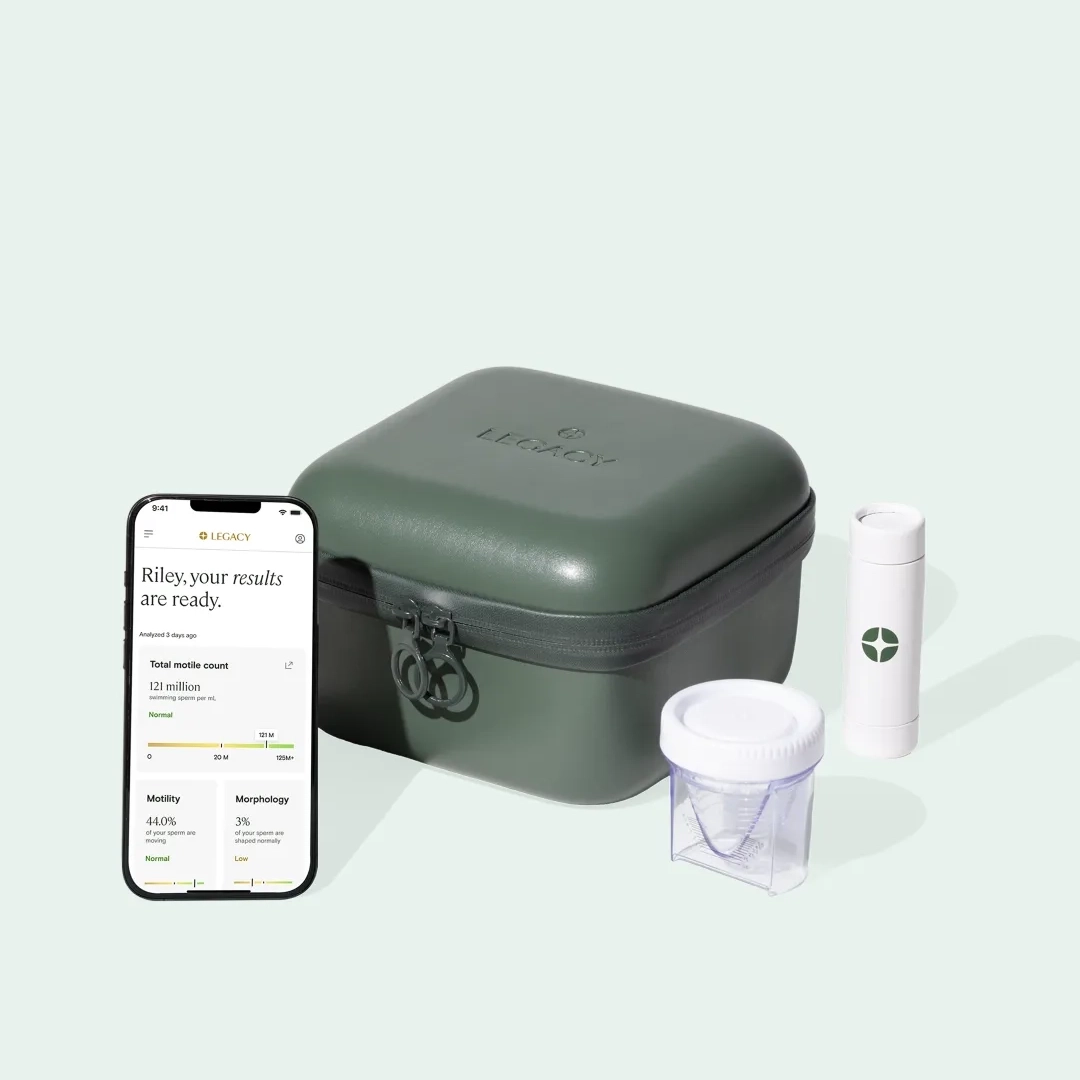
Standard Semen Analysis
$295
Key features

Semen volume
Sperm concentration & count
Motility
Morphology