How to read a semen analysis report


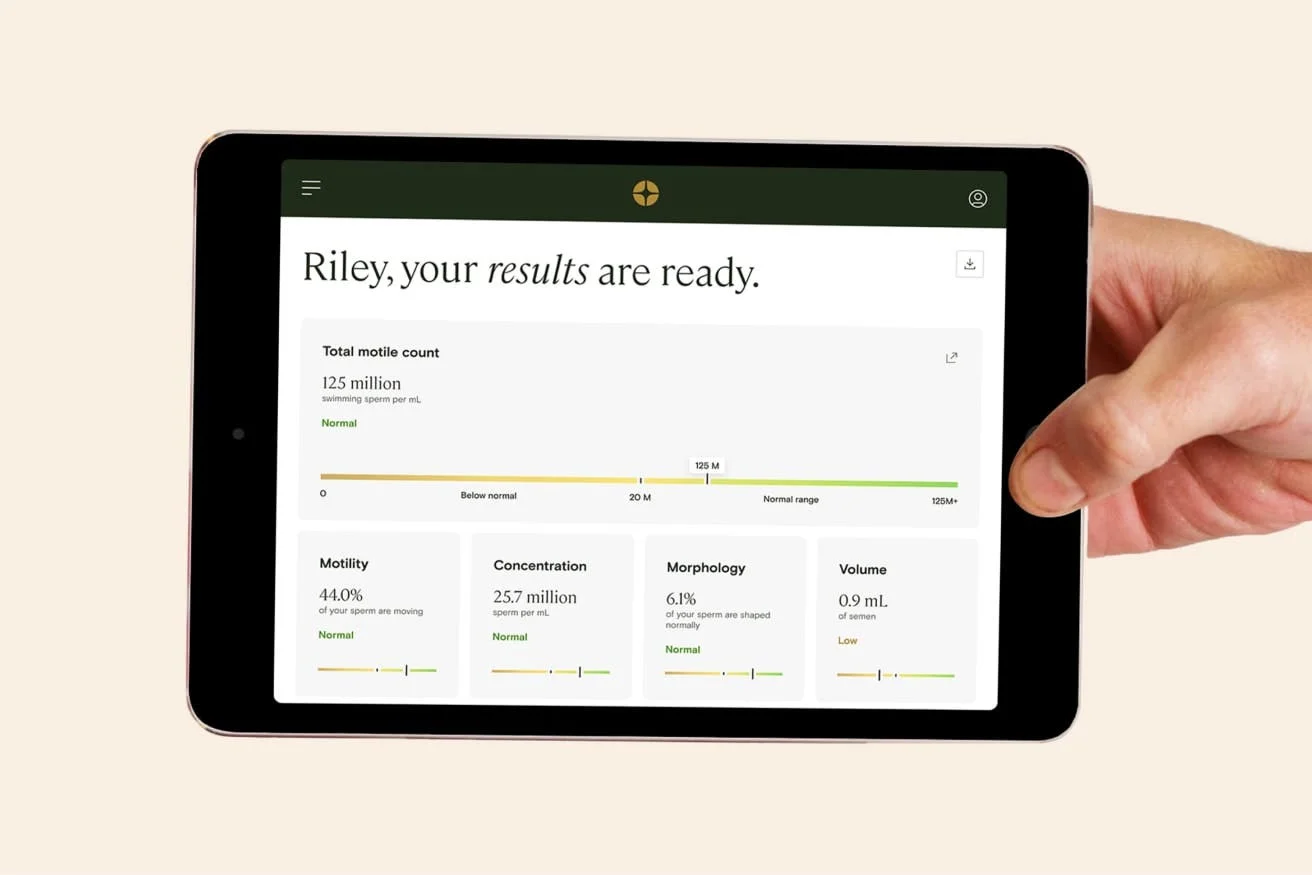
Learn how to read a semen analysis report and what it means to get abnormal results.
If you’ve never done a semen analysis before, it’s hard to know what to expect from the results. Will a semen analysis report tell you if you’re fertile? Will it give you a plan of action? Read on to learn how to read your semen analysis report, make sense of key metrics like sperm count and morphology, and figure out what to do next if you receive abnormal results.
Key takeaways
- A semen analysis is a test that looks at key metrics of your sperm to evaluate sperm health and viability and is a good indicator of male fertility.
- You may want to get a semen analysis if you’re trying to conceive, if you’ve had a vasectomy, if you’re planning on freezing your sperm, or if you simply want to improve your fertility.
- While a semen analysis report won’t diagnose you as “fertile” or “infertile,” it can give you clues about why you’re having difficulty conceiving or what issues should be improved before you start trying.
What is a semen analysis?
A semen analysis is a test that looks at key metrics of your semen to evaluate sperm health and viability. A semen analysis usually involves looking at the number of sperm (sperm count), its shape (morphology), and the way it moves (motility). Sperm is the male reproductive cell, so its health is of the utmost importance to your fertility, or ability to have a child.
Getting a semen analysis is a primary step in male fertility testing. To get a semen analysis, a person must provide a semen sample, either at a clinic or with an at-home sperm testing kit. This sample will then be analyzed by andrologists, sperm science experts, in a lab.
When to get a semen analysis
You may want to order a semen analysis and sperm testing kits, or ask your doctor about getting this test done, if:
- You’re trying to conceive. If you have been trying to have a baby, a semen analysis can tell you if there is an issue with your sperm. Male fertility issues contribute to 40–50% of diagnosed infertility cases and in the past four decades, sperm counts have dropped about 50%. It’s recommended that you test your sperm early on in the process of trying to conceive, so you can potentially avoid expensive and unnecessary tests or treatments in the future.
- You’ve had a vasectomy. You should do a semen analysis to check if a vasectomy has been successful. During a vasectomy, a doctor severs the tubes that carry sperm out of your testicles (testes) so that the sperm cannot enter your semen. A semen analysis is usually done 12–16 weeks after a vasectomy, to make sure there’s no sperm left in your semen.
- You’re planning on freezing your sperm. People are having children later in life, often when sperm has decreased in quality. Freezing sperm while young is a great way to preserve your fertility for when you’re ready to have children, protecting it against damage from aging, injury, illness, or lifestyle factors. Getting a semen analysis prior to sperm freezing is a key way to confirm that the sperm you’re freezing is healthy and viable.
- You want to improve your fertility. Whether you’re planning to have a child in the near future or later in life, it’s helpful to know what your sperm health looks like now. This is because lifestyle habits and vitamin supplementation can help improve sperm. Establishing a baseline can help you determine what changes you need to make to make the process of having a baby easier down the line.
Having trouble getting pregnant? The answer may be one test away.

What can I learn from a semen analysis?
A semen analysis can help you gain a better understanding of your own fertility by analyzing crucial metrics of your sperm health. It can also give clues to other issues, such as abnormal hormone levels or infections, that can affect your fertility and your overall health. If you’ve been having trouble conceiving, a semen analysis and a sperm testing kit may help reveal clues about what specific part of your fertility has been affected so you can get the treatment you need.
What’s included in a semen analysis report
A semen analysis report typically includes:
- Semen volume. Semen volume is the total amount of fluid, or “cum,” that you ejaculate. This metric is important because semen contains sperm, and you need enough sperm to reach and fertilize an egg. On average, semen volume falls between 1.5 and 5 mL. Low semen volume, which is associated with reduced fertility, can be a sign of medical conditions like blockages, retrograde ejaculation, hypogonadism, or a prostate issue. It can also be caused by psychological issues.

- Sperm count and concentration. The more sperm you have, the more likely it is that one will reach an egg and fertilize it. Sperm concentration is the number of sperm per mL of semen in your sample. According to the World Health Organization, a normal sperm concentration is at least 15 million per mL, and a normal sperm count is at least 39 million per ejaculation. Low sperm count can be caused by exposure to heat, hormonal imbalances, sexually transmitted infections (STIs), and enlarged veins in the scrotum, also known as varicocele, among other issues.

- Sperm motility. Sperm motility refers to how well your sperm moves or “swims.” This is an important parameter as sperm need to be moving forward to successfully reach the egg. According to the Mayo Clinic, normal motility refers to at least 40% of sperm moving at a speed of at least 25 micrometers per second. Some potential causes of poor sperm motility include having an unhealthy diet, living a sedentary lifestyle, and smoking.

- Total motile sperm count. Total motile sperm count (TMSC) is the number of moving sperm in a sample. It is calculated by multiplying the concentration of sperm by the total semen volume by the percentage of motility. A lower TMSC result suggests a lower chance of conceiving naturally or with intrauterine insemination (IUI) or in vitro fertilization (IVF).

- Sperm morphology. Sperm morphology refers to the size and shape of sperm, specifically the structure of the sperm head and tail. Morphology is important because abnormally shaped sperm may have difficulty reaching and penetrating the egg. Experts say that at least 4% of sperm should have a normal shape for a standard semen analysis result. Like motility, sperm morphology can be negatively impacted by a poor diet, lack of exercise, and smoking.
Frequently asked questions about how to read a semen analysis report
A semen analysis report contains a lot of important information about your fertility, but if you’ve never had one before, you may feel anxious or confused by your semen analysis results. Here are some common answers about how to interpret a semen analysis report.
Will a semen analysis tell me if I can have kids?
No. A semen analysis report won’t diagnose you as “fertile” or “infertile.” This type of diagnosis can only occur if you’ve been trying to conceive for 6–12 months or more without success. Sperm health, while an important part of a couple’s fertility, is just one piece of the puzzle.
However, sperm health is closely correlated with a couple’s chance of a healthy pregnancy. Therefore, a semen analysis can give you clues about why you may be having difficulty conceiving, or what issues could be improved before or as you start trying.
What should I do if I get abnormal semen analysis results?
If you receive abnormal semen analysis results, you may want to repeat a semen analysis to confirm the results. In some cases, abnormal results may be caused by a spilled or contaminated sample, illness, or the failure to abstain from ejaculation 2–5 days before producing your sample.
If you’ve received abnormal semen analysis results, you may want to speak to a male fertility specialist, such as a urologist. A specialist can help you identify what might be causing your abnormal sperm metrics and suggest next steps to improve your fertility.
A semen analysis report won’t diagnose you as “fertile” or “infertile.” This type of diagnosis can only occur if you’ve been trying to conceive for 6–12 months or more without success. Sperm health, while an important part of a couple’s fertility, is just one piece of the puzzle.
If I get abnormal semen analysis results, am I definitely infertile?
No. Semen parameters can also change in reflection of your lifestyle and overall health.
What does it mean if I have round cells in my semen analysis?
Round cells are typically leukocytes, or white blood cells. Though leukocytes are normally present in semen, a high number of them may indicate an infection.
Round cells can also be immature germ (sperm) cells. According to this 2013 study, if round cells in semen are identified as immature sperm cells, there may be an issue of poor sperm motility or testicular dysfunction.
What does it mean if I have bacteria in my semen analysis?
Bacteria in the semen may indicate that you have an infection, such as an STI or prostatitis (inflammation of the prostate gland). Finding the reason for this bacteria and getting proper treatment is crucial, since research shows that such bacteria could impair fertility through decreasing sperm motility, morphology, and DNA integrity.
What does it mean if I have debris in my semen analysis?
Debris in your semen may simply indicate the presence of epithelial cells, a type of cell that covers the inside and outside of the surfaces of your body and may be found in the urinary tract. Though a certain amount of debris can be expected, high levels warrant an investigation — this could indicate an infection.
Still have questions about your semen analysis report? Feel free to contact Legacy for more information.
Legacy’s at-home sperm testing kits
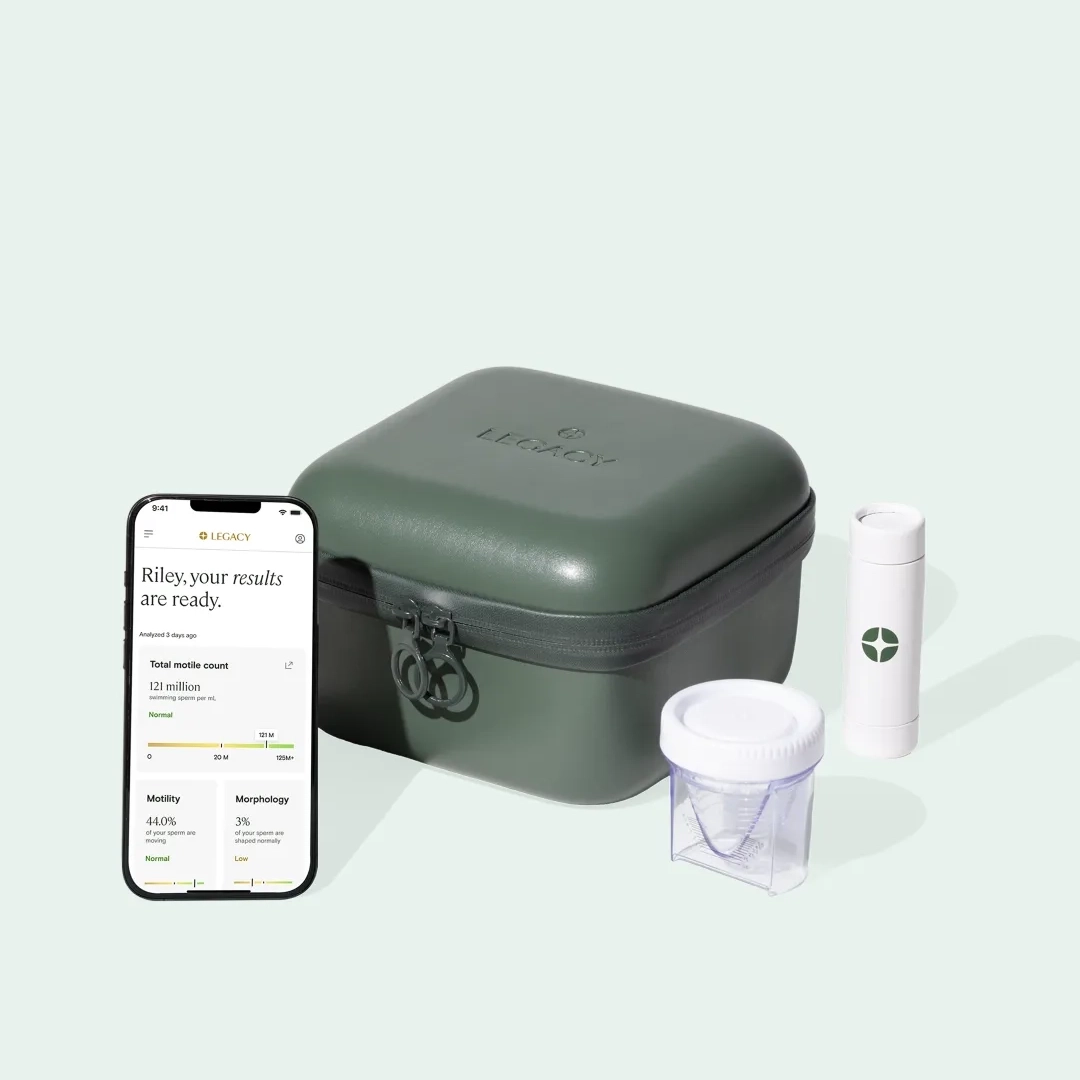
Legacy’s at-home sperm testing kit is the most scientifically advanced at-home option on the market. Results of Legacy’s semen analysis are comparable to what you would receive from a conventional, in-person semen analysis. You also have the option to freeze your sperm if it is determined to be viable.
Skip the trip to the clinic and collect your sample at home, send it off to our lab, and you’ll receive your results in 24–48 hours, along with personalized recommendations to improve your sperm.
Legacy is the only at-home sperm testing kit that includes a post-thaw analysis, in which part of your sample is frozen and thawed to check viability. Thanks to this additional analysis, your semen analysis report will let you know if your sperm is a good candidate for long-term freezing.
What is included in Legacy’s semen analysis report
Though most semen analysis reports are generated with doctors in mind, Legacy’s report is designed to be simple, straightforward, and incredibly thorough. It’s delivered via your confidential digital dashboard in just 1–2 days, and includes more than just the numbers — it also explains what these numbers really mean, for you and your family plans.
Many at-home sperm testing kits don’t test all the key metrics of sperm health. Legacy’s patient-friendly semen analysis report includes all the important metrics:
- semen volume
- sperm count/concentration
- motility
- total motile sperm count
- morphology
If you’ve opted to add a DNA fragmentation test, you will also receive an analysis of your sperm’s genetic health in addition to the five key metrics listed above. Legacy is the only at-home sperm testing kit that offers DNA fragmentation analysis.
Along with delivering insights into key metrics of your sperm health, your Legacy semen analysis report and at-home sperm testing kit will also give you personalized recommendations on what lifestyle changes you should consider to improve your sperm. Plus, Legacy clients get exclusive access to book a virtual appointment with a fertility specialist.
Find out more about how at-home sperm testing works and explore our guide to sperm testing for more information.
Find what's right for you

Standard Semen Analysis
$295
Key features

Semen volume
Sperm concentration & count
Motility
Morphology