Cleaner cleaning: Reduce exposure to endocrine-disrupting chemicals and improve fertility


Endocrine-disrupting chemicals are nearly everywhere, and may negatively affect your fertility. We’ll review common sources of EDC exposure, endocrine disruptors’ impact on male fertility, and how to reduce your EDC exposure by making your own green cleaning products that are safe for fertility.
Endocrine-disrupting chemicals (EDCs) are nearly everywhere. Endocrine disruptors are chemicals that interfere with your hormones, and may negatively affect your fertility.
One common source of exposure? Cleaning products, from disinfecting sprays to laundry detergent. We’ll review common sources of EDC exposure, endocrine disruptors’ impact on male fertility, and how to reduce your EDC exposure by making your own green cleaning products that are safe for fertility.
Key takeaways
- Endocrine-disrupting chemicals impact the system in your body that makes hormones. By interfering with this system, endocrine disruptors can harm male fertility.
- We’re exposed to EDCs frequently through cleaning products, personal care items, drinking water, and even the air we breathe.
- There are many ways to reduce EDC exposure and help protect your fertility, including by creating your own cleaning products using environmentally friendly ingredients.
What is an endocrine-disrupting chemical (EDC)?
Endocrine-disrupting chemicals, or endocrine disruptors, are chemicals (natural or man-made) that interfere with the body’s endocrine system. The endocrine system consists of glands that make and regulate your body’s hormones, including testosterone, estrogen, and adrenaline. These hormones, in turn, influence everything from your development and reproductive system to your metabolism.
EDCs can mimic hormones and disrupt natural processes. Research suggests that EDCs can harm your fertility and overall health and may be linked to cancer, disrupted metabolism, low sperm counts, and sperm DNA damage.
How we’re exposed to endocrine disruptors
You’re likely exposed to EDCs in multiple areas of your daily life. You’ll find endocrine disruptors in cleaning products, cosmetics, plastics, water, food, and even the air.
Everyday products may contain a range of EDCs, including phthalates, bisphenol A (BPA), bisphenol S (BPS), brominated flame retardants (BFRs), and triclosan.
Some common sources of endocrine-disrupting chemical exposure:
- cleaning spray
- laundry detergent
- body wash
- water bottles
- plastic food containers & packaging
- plastic wrap
- other plastic kitchenware
- non-stick cookware
- children’s toys
- clothing
- furniture
- carpet
- paint
- insulation
How EDCs affect male fertility
Since EDCs are prevalent throughout the environment, it can be difficult to determine exactly which chemicals cause specific adverse effects on male fertility. That being said, many experts believe that exposure to EDCs is the main cause of the worldwide drops in average sperm count and reduced male fertility over the past 50 years.
Check out this endocrine disruptors list to see the effects of different EDCs on male fertility:
- Bisphenol A (BPA): Used to make plastic. In high concentrations, BPA may lower sperm motility, alter sperm function, and impair fertilization of the embryo, according to a 2015 study.
- Bisphenol S (BPS): Also used in plastic, especially food containers. Higher urinary concentrations of BPS were associated with lower semen parameters in overweight men, according to a study co-authored by Legacy CMO Dr. Ramy Abou Ghayda.
- Phthalates: Makes plastic soft and malleable. Phthalate exposure may lead to reduced sperm motility and testosterone levels and increased sperm DNA damage.
- Perfluoroalkyl and polyfluoroalkyl substances (PFAS): Chemicals found in non-stick cookware that repels oil, grease, and water. PFAS may be associated with abnormal sperm morphology and reduced testosterone levels.
- Triclosan: An antibacterial and antifungal agent. This chemical may be linked to abnormal sperm morphology and was found in 84.13% of urine samples of men at a reproductive health clinic, higher than its presence in nearly 75% of people in the population.
- Chlorpyrifos: An insecticide. This appears to lower sperm motility and density in mice, but more studies in people are needed.
- Lead: May be found in house paint, especially in old buildings. Even at low levels, lead may reduce semen quality, lower sperm counts, and increase abnormal morphology and chances of a preterm birth.
Learn more about endocrine-disrupting chemicals and male fertility.
Preserve the option to be a dad after TRT.
How to reduce exposure to endocrine disrupting chemicals
The prevalence of EDCs makes it challenging to reduce exposure to these chemicals. Still, it can be done — and there are studies to back it up.
According to a recent research review, actions as simple as changing one’s diet or swapping out personal or household products can result in significant changes in EDC concentrations among study participants, in some cases even after just a few days.
You can reduce your exposure to EDCs by paying attention to what you eat and by looking for products without endocrine disruptors. You likely won’t be able to make every suggested change, but taking even a few steps to reduce your exposure may help your fertility and your health.
Reducing EDC exposure with cleaner cleaning
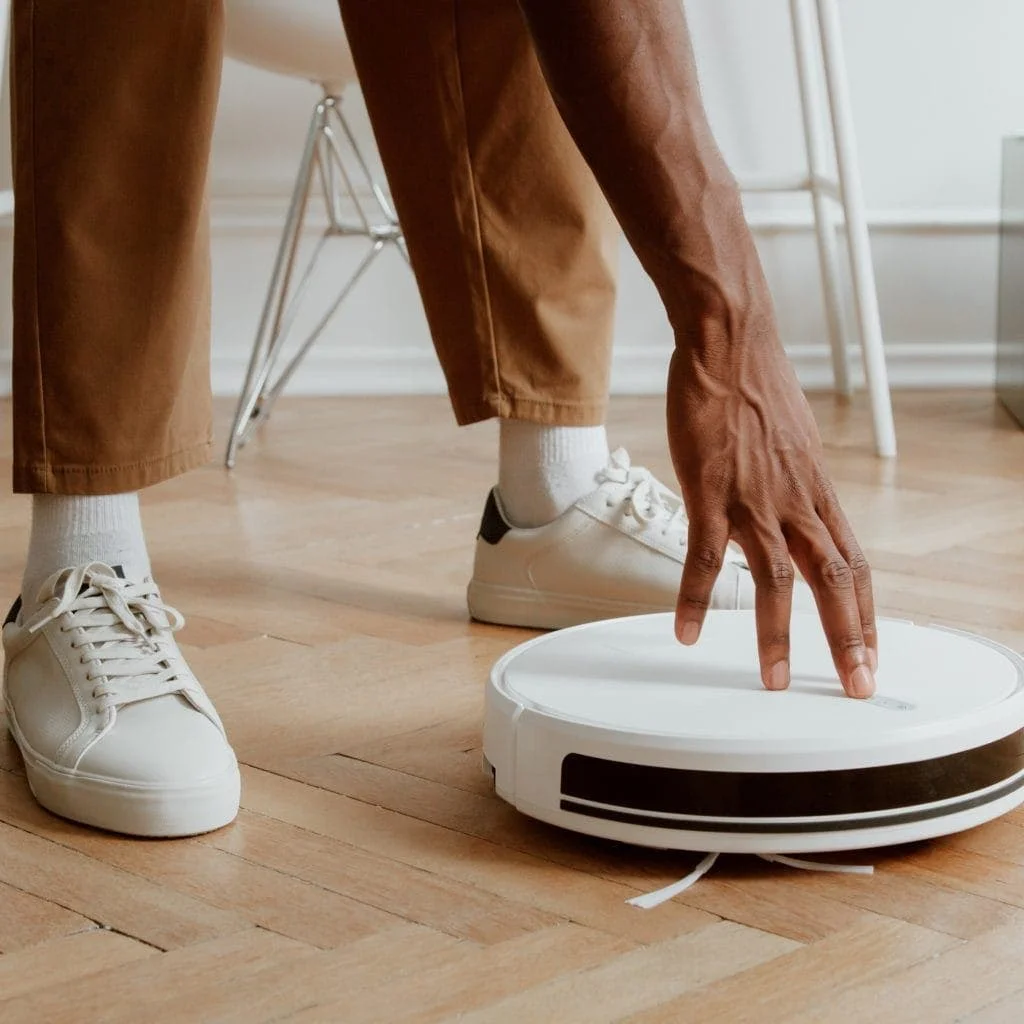
- Household dust is a common source of EDC exposure. Vacuum and dust your home regularly.
- Stick to hot water and soap for most of your cleaning needs. Use as few cleaning products as possible, to limit your exposure to a smaller number of chemicals.
- Read labels to check for endocrine-disrupting chemicals and find out which household cleaners could hurt your fertility. If possible, look for the Green Seal indicating that the product is environmentally friendly and doesn’t contain certain EDCs, which can help you identify safe cleaning products.
- Fabric softeners can contain endocrine disruptors like phthalates, especially if the product contains fragrance. Read the label before buying, or consider skipping fabric softener.
- Avoid cleaning products that have added fragrances, as these often contain EDCs.
- Make DIY cleaning products using simple ingredients (see below for instructions and recipes!).
Reducing EDC exposure at home
- Consider getting rid of carpeting, as it can contain chemicals and collect EDC-containing dust. If you want carpets, look for ones made of natural materials and that don’t include stain or waterproofing treatments.
- Avoid clothing treated with chemicals to make it stain resistant or waterproof. In particular, look for clothing that’s labeled PFAS-free. Choose clothing made of natural fibers like wool instead of yarn that contains plastic.
- Use an air purifier indoors.
- Read the label on cosmetics and other personal care products to check for common EDCs like parabens, triclosan, and PFAS. Look for products without added fragrances. You can also check the Environmental Working Group’s guide to safer personal care products.
- Avoid using pesticides in your garden or yard.

Reducing EDC exposure in your diet
- Instead of drinking water from plastic bottles, fill a stainless steel or glass reusable bottle with filtered tap water.
- If you do use a plastic bottle, look for a #1, #2, or #4 in the recycling sign, showing that it’s free of BPA. Avoid bottles where the recycling sign says #3, #6, or #7, as it may contain harmful chemicals.
- Don’t heat food that’s in a plastic container. It’s better to store food in glass containers, rather than plastic ones.
- Try to avoid nonstick pans, as the nonstick coating contains EDCs; instead, use stainless steel or cast iron. Avoid plastic dishware and plastic utensils as well.
- Avoid eating processed, packaged, and canned food when possible. If you do eat canned food, check that the can is labeled BPA-free.
- Wash your produce thoroughly to help remove chemicals and pesticides. You can further reduce your exposure to these chemicals by buying organic fruits and vegetables.
- Eat less meat, which can contain a buildup of harmful chemicals. If you do eat meat, choose organic and lean cuts as they may contain a lower amount of chemicals.
- Eat smaller fish, like sardines and anchovies, and limit your intake of larger fish like tuna and swordfish that typically contain more chemicals.
Greener cleaning recipes
As mentioned above, one way to reduce your exposure is by avoiding endocrine disruptors in cleaning products — which you can do by creating your own DIY cleaning products. Legacy staff member and fertility warrior Jaclyn Doyle shares several green cleaning recipes you can try at home to make cleaning products that are safer for pregnancy and fertility.
“For my family, it’s all about reducing toxins, not necessarily eliminating them because sometimes that isn’t feasible,” Jaclyn says of her homemade cleaners. “I tend to gravitate towards products that have multiple uses. Luckily most of these are affordable too!”
Disinfectant
Store-bought disinfectant solutions can include EDCs like benzalkonium chloride and other ammonium quaternary compounds, as well as triclosan and triclocarban (though the FDA banned the latter two in the US in 2016). There may also be phthalates in fragrances added to the disinfectant.
To avoid these chemicals, Jaclyn created her own green disinfecting spray when the pandemic first started. “I loved the smell and versatility of this so much I started using it during my weekly cleaning ritual in place of Febreze or Lysol,” she says. “I love the aroma of spearmint and the freshness it gives to my home. You can tinker with different scents based on the oils you have on hand.”
JD’s Cootie Killer
Ingredients & equipment:
32 oz spray bottle
Isopropyl (rubbing) alcohol — concentration as high as possible
Distilled water
1/4 cup witch hazel
Essential oil for scent
Instructions:
Using a funnel, add your rubbing alcohol and water to the spray bottle and mix. You want to aim for about 60% alcohol in the final mixture, so the following measurements will depend on what concentration of alcohol you’re using.
- If it’s 99% isopropyl alcohol, use:
- 19 oz (about 2 ⅓ cups) of alcohol
- 11 oz (about 1 ⅓ cup) of water
- If it’s 70% isopropyl alcohol, use:
- 30 oz (3 ¾ cups) of alcohol
- Omit the water — since this concentration already contains water
In a glass vessel, mix 1/4 cup of witch hazel with essential oils of your choosing and to your desired potency. The witch hazel will help incorporate the oil into the alcohol and water mixture. Once blended, pour into the spray bottle and give it a good shake.
It’s important to do a spot test if you’re worried about certain fabrics or surfaces. Jaclyn says she’s used this on mattresses, area rugs, sofas, and clothing without any issue. You should also be aware of any allergies and ingredients your pets may be sensitive to.
Carpet refresher
Your carpet refresher may contain EDCs like benzyl salicylate and benzyl benzoate. They also often contain fragrances, which may have endocrine disrupting properties.
You can keep your carpets and furniture smelling fresh without the harmful chemicals. According to Jaclyn, this powder refresher can help clean and absorb odors from mattresses, shoes, trash bins, furniture, and carpet, all while being easy to use. “For mattresses and carpet, just sprinkle it on and let it sit for a bit before vacuuming,” she says.
JD’s All Purpose Powder Refresher
Shaker jar
Baking soda
A marble (optional)
Essential oils of choice
Suggested scent blends:
- Spearmint, rosemary, clary sage, hint of lavender
- Rosemary, lemon, and vanilla (“Williams Sonoma” style)
- In a glass vessel, mix your essential oil scent blend of choice.
- Begin filling your shaker jar with baking soda, alternating layers of baking soda with drops of your EO blend so that the scent is incorporated throughout the jar. The oils will clump a bit with the powder, so you’ll need to shake it well once the jar is almost full. You can add a marble to the jar to help break up clumps if you’d like to, or run the mixture through a flour sifter once the oil is dry.
- Once the oils have absorbed into the powder, sprinkle on the surface of your choice, let it sit for a few minutes, then vacuum up the powder.
All-purpose cleaning spray
Cleaning sprays are convenient, but may also expose you to EDCs like phthalates, 2-butoxyethanol, triclosan, and triclocarban.
Jaclyn uses her all-purpose spray to clean bathrooms, kitchens, and even wood safely. If you need a little more scrubbing power, try her soft scrub multi-purpose cleanser — according to JD, it’s “the easiest homemade cleanser you’ll ever make.”
JD’s All-Purpose Cleaning Spray
32 oz spray bottle
3 cups warm water
1/4 cup castile soap
1/4 cup witch hazel
Essential oils of choice (optional)
- In a spray bottle, mix water and castile soap. Shake well.
- In a separate glass vessel, mix essential oils (to your liking) and witch hazel until incorporated.
- Pour oil and witch hazel mix into the bottle with other liquids and shake well to incorporate. (Omit witch hazel and EOs if not using.)
- Spray on any surface to be cleaned and wipe until dry.
Soft Scrub Multi-Purpose Cleanser
1 cup of baking soda
Water
3–4 drops of lemon essential oil
You can adjust as needed for larger or smaller cleaning projects.
- Mix the water and essential oils into the baking soda to create a thick paste.
- Rub the paste onto the surface with a scouring pad or cleaning cloth to remove grime and scrub away dirt. Beware if your surface is prone to scratching, as baking soda is abrasive.
Other ways to improve your sperm health
If you’re hoping to improve your fertility, start with a semen analysis to understand your baseline sperm health and areas that you can target for improvement. Legacy offers an at-home semen analysis to help you get started from the comfort of your home.
Sometimes, abnormal semen parameters may be a result of genetics or a medical condition, such as an ejaculatory duct obstruction or a prostate issue. In these cases, you may need medical treatment to address the problem and help restore your sperm health.
For many patients, though, healthy lifestyle habits may help boost your sperm and your overall fertility. Besides doing your best to avoid EDCs, these lifestyle changes include:
- taking supplements with antioxidant activity, like CoQ10 and selenium, to help fight the effects of EDCs
- taking fertility supplements
- exercising regularly or practicing yoga
- reaching or maintaining a healthy weight
- adding more fruits and vegetables to your diet
- getting good quality sleep
- quitting smoking (if you smoke)
- limiting the amount of alcohol you drink
If you’re not seeing improvements to your sperm or are having trouble conceiving, it may be time to talk to a fertility specialist.
Find what's right for you

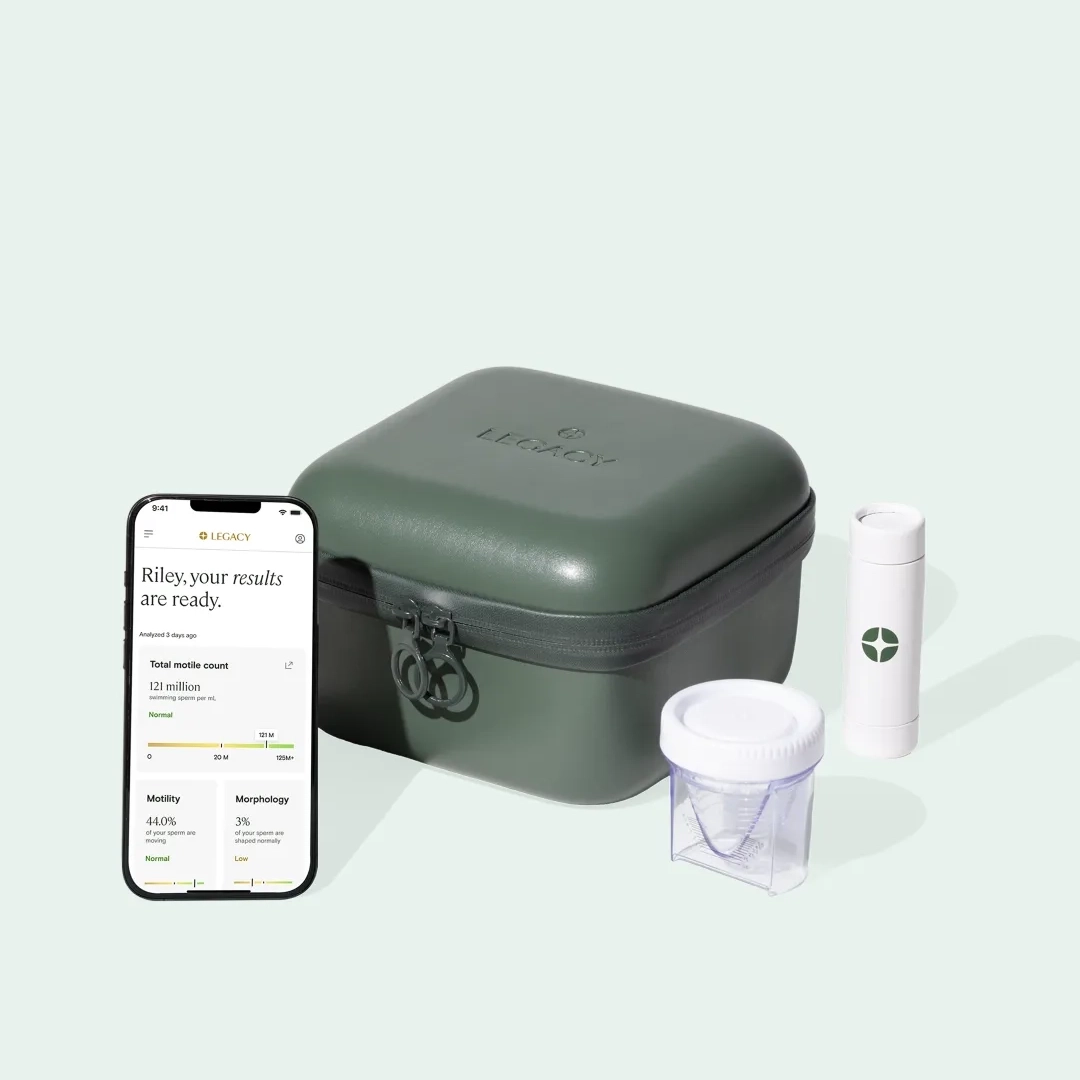
Standard Semen Analysis
$295
Key features

Semen volume
Sperm concentration & count
Motility
Morphology