Antioxidant in blueberries may protect male fertility from microplastics, research suggests


We now know microplastics and other endocrine-disrupting chemicals can harm male fertility — and new research reveals your first line of defense could be your diet. Specifically, there’s evidence that anthocyanins, a natural antioxidant chemical found in dark-colored plants, may be able to protect the testicles and sperm from microplastic-related damage. Let’s take a closer […]
We now know microplastics and other endocrine-disrupting chemicals can harm male fertility — and new research reveals your first line of defense could be your diet. Specifically, there’s evidence that anthocyanins, a natural antioxidant chemical found in dark-colored plants, may be able to protect the testicles and sperm from microplastic-related damage. Let’s take a closer look at the benefits of anthocyanins, how microplastics threaten sperm, and how to protect yourself from microplastics.
Key takeaways
- Researchers have found microplastics in both testicular tissue and semen. Microplastics may impair sperm count, motility, DNA integrity, and testosterone production.
- A new research article suggests that anthocyanins — antioxidant-rich pigments found in red, blue, and purple plants — may be one of the best antioxidants for microplastics protection.
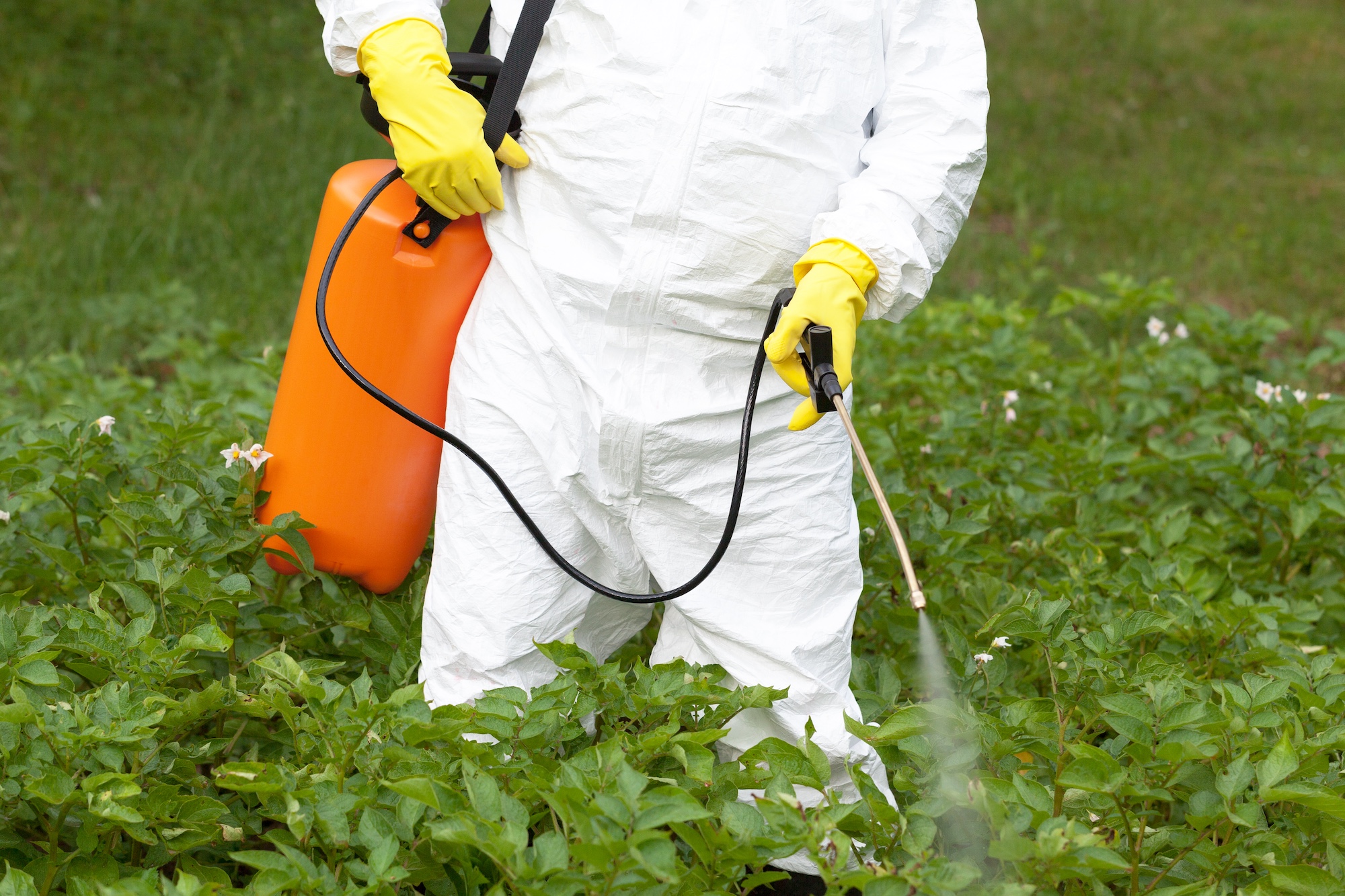
- You can get anthocyanins from everyday foods. You can find anthocyanins in blueberries, lentils, and other purple, red, and blue plant foods.
- Sperm health also depends on other nutrients and lifestyle factors. Sperm testing and freezing are proactive options for protecting your fertility.
The microplastic threat to sperm
First, let’s discuss the threat at hand: microplastics, tiny plastic particles less than 5mm in size. They’re in the air we breathe, the water we drink, and the food we eat. Once ingested, these tiny invaders — and the “forever chemicals” they contain — infiltrate organs from the brain to the reproductive tract, and there’s growing concerns about their long-term health effects. In fact, a 2024 study found microplastics in 100% of testicles examined.1 Other research found that the average semen sample contained 3–5 types of plastic.2
What’s the relationship between microplastics and fertility for men? Researchers believe microplastic particles can accumulate in tissues, triggering inflammation and oxidative stress. This in turn can damage sperm DNA, impair sperm motility (movement), and reduce overall sperm count and quality. Exposure to microplastics is also associated with reduced production of testosterone, an essential hormone for sperm production.3Microplastics also contain endocrine disruptors like phthalates and bisphenols. These substances can interfere with the hypothalamic-pituitary-gonadal axis, a neuroendocrine system that regulates sperm production.4
Benefits of anthocyanins:
Anthocyanins are part of the flavonoid family of antioxidants. They create the dark blue, purple, and red pigments in many fruits and vegetables, but their virtues are more than just aesthetic. A 2024 research review published in the Journal of Pharmaceutical Analysis suggests anthocyanins may be able to protect sperm from damage caused by microplastics.5
Anthocyanins “exhibit a wide range of biological activities, including antioxidant, anti-inflammatory, and anti-neoplastic properties,” the researchers wrote, adding they “can modulate sex hormone levels and alleviate reproductive toxicity.”
The potential benefits of anthocyanins include:
- Antioxidant protection: Oxidative stress in the body can cause sperm quality to degrade. The 2024 article concluded, based on lab and animal studies, that anthocyanins may neutralize the oxidative stress caused by microplastics, reducing cellular damage to testicles and sperm. Do these antioxidants get rid of microplastics? No. It’s difficult for the body to clear microplastics once they’re ingested, but antioxidants like anthocyanins seem to help mitigate their toxic effects.
- Sperm quality improvement: Research here is still quite early. However, a lab study of mice found that supplementation with C3G, a type of anthocyanin, resulted in improved sperm count and motility, even when the mice had other inflammatory conditions.6
- Healthy testosterone production: Anthocyanins may help improve the function of hormone receptors, potentially maintaining healthy testosterone levels despite exposure to endocrine-disrupting chemicals. A 2023 lab study found that 4 different types of anthocyanins all reduced the impact of oxidative stress and restored testosterone production in the Leydig cells (cells in the testes responsible for making testosterone).7
- Anti-inflammatory properties: Beyond just fertility benefits, anthocyanins seem to quell inflammation in the entire body.8 Chronic inflammation can negatively affect every aspect of health, including fertility.
- Improved blood flow: Some studies suggest anthocyanins support cardiovascular health and blood vessel function, which can improve blood flow to the testicles, an important factor in sperm production and quality.9

Top food sources of anthocyanins
If you’ve been looking for a microplastics detox supplement, we have good news: You don’t have to shell out for expensive supplements to protect yourself from microplastics. Your local grocery store has plenty of inexpensive options in the produce section.
These foods are particularly rich in anthocyanins:
- Berries. Elderberries contain the highest concentrations of anthocyanins, followed by blackberries, blueberries, and cranberries.11
- Cherries and plums.
- Dark-colored vegetables: Eggplant, red cabbage, purple cauliflower, and black carrots are good sources of anthocyanins.
- Black or red lentils and beans.
- Red wine. Quick caveat here: Because alcohol can negatively impact sperm health, it’s important to moderate your consumption — no more than two drinks a day.
Whether you’re planning to conceive or just interested in optimizing your sperm health, adding more colorful fruits and vegetables to your diet is an easy win.
Preserve the option to be a dad after TRT.
How to protect yourself from microplastics and improve sperm health
Anthocyanins show promise for protecting sperm health, but they’re just one part of the overall picture. Microplastics are “forever chemicals” — once we consume them, it’s difficult to remove microplastics from your body naturally (or even medically).
Currently, the best approach is to reduce the number of microplastics you actually consume. Learn how to reduce microplastics in your body or see our guide to male fertility improvement.
Sperm testing and freezing
Are you wondering how exposure to toxins like microplastics could be affecting your sperm?
A semen analysis is an excellent way to assess your fertility. It evaluates the key markers of sperm quality that might be affected by environmental toxins like microplastics, including count, motility, and morphology (shape). Sperm production refreshes about every 72 days, so after you’ve tested, you can take steps to improve your sperm quality, then re-evaluate.
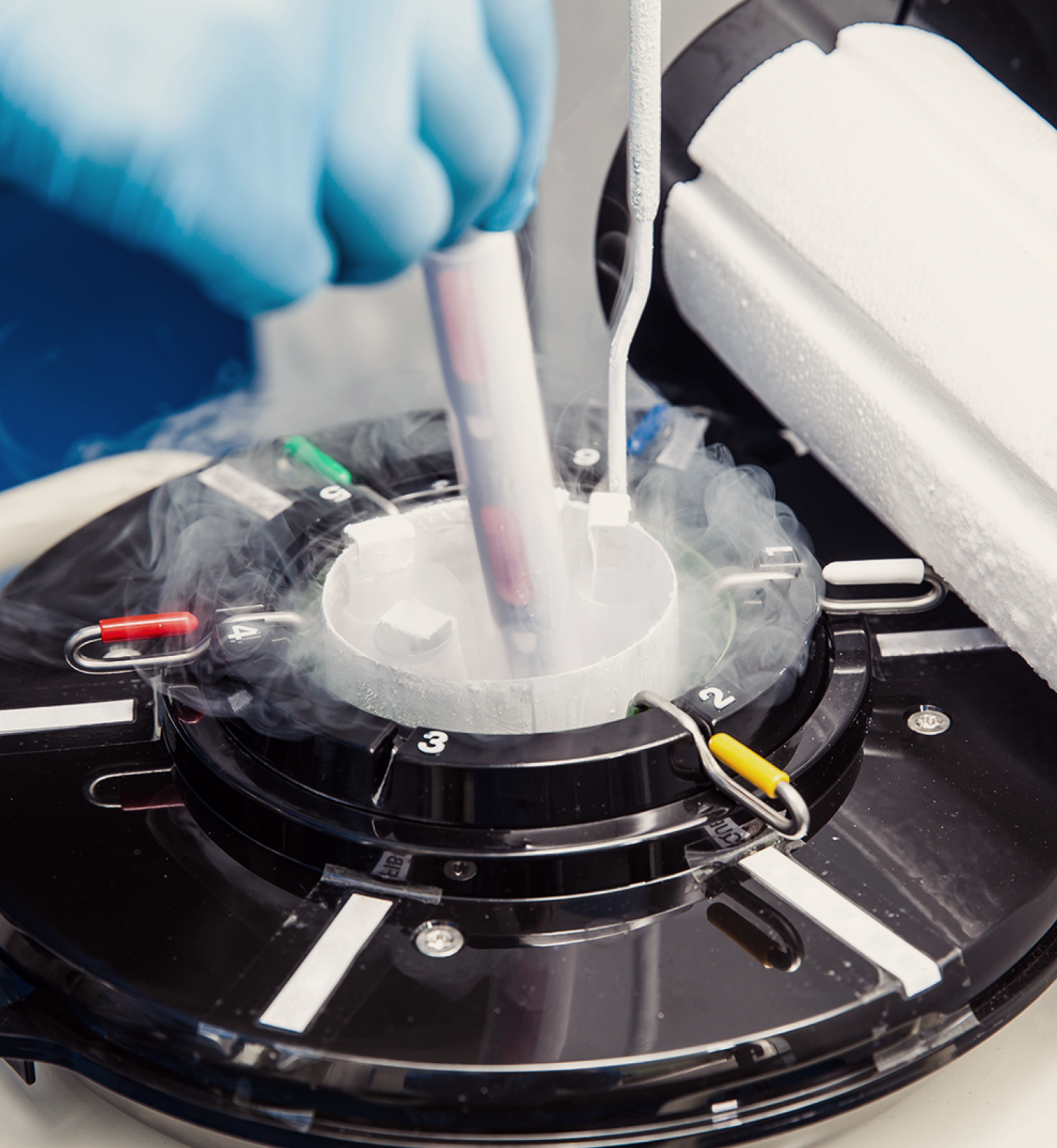
Freezing sperm now helps protect your fertility against future threats. Researchers estimate we’re exposed to tens of thousands to millions of microplastics every year via food, water, air, and even household dust.12 Over time, that may take a toll on your health. Although it’s not currently possible to remove microplastics from your body naturally, you can protect your sperm by freezing it to preserve your fertility.
Answer a few quick questions to find the best sperm testing & freezing plan for you:
References
- Yu et al. “Microplastic presence in dog and human testis and its potential association with sperm count and weights of testis and epididymis,” 2024.
- Zhang et al, “Association of mixed exposure to microplastics with sperm dysfunction: a multi-site study in China.” 2024.
- Hong et al. “Adverse effects of microplastics and nanoplastics on the reproductive system: A comprehensive review of fertility and potential harmful interactions,” 2023.
- Pan et al. “The adverse role of endocrine disrupting chemicals in the reproductive system,” 2024.
- Zhang et al. “Exploring the potential protective role of anthocyanins in mitigating micro/nanoplastic-induced reproductive toxicity: A steroid receptor perspective,” 2024.
- Xiao et al. “Cyanidin-3-O-Glucoside Supplement Improves Sperm Quality and Spermatogenesis in a Mice Model of Ulcerative Colitis,” 2022.
- Hu et al. “Anthocyanins prevent AAPH-induced steroidogenesis disorder in leydig cells by counteracting oxidative stress and StAR abnormal expression in a structure-dependent manner,” 2023.
- Khoo et al. “Anthocyanidins and anthocyanins: colored pigments as food, pharmaceutical ingredients, and the potential health benefits,” 2017.
- Shipp & Abdel-Aal. “Food Applications and Physiological Effects of Anthocyanins as Functional Food Ingredients,” 2010.
- Wallace et al. “Systematic Review of Anthocyanins and Markers of Cardiovascular Disease,” 2016.
- Wu et al. “Concentrations of Anthocyanins in Common Foods in the United States and Estimation of Normal Consumption,” 2006.
- Lee et al., “Health Effects of Microplastic Exposures: Current Issues and Perspectives in South Korea,” 2023.
Find what's right for you

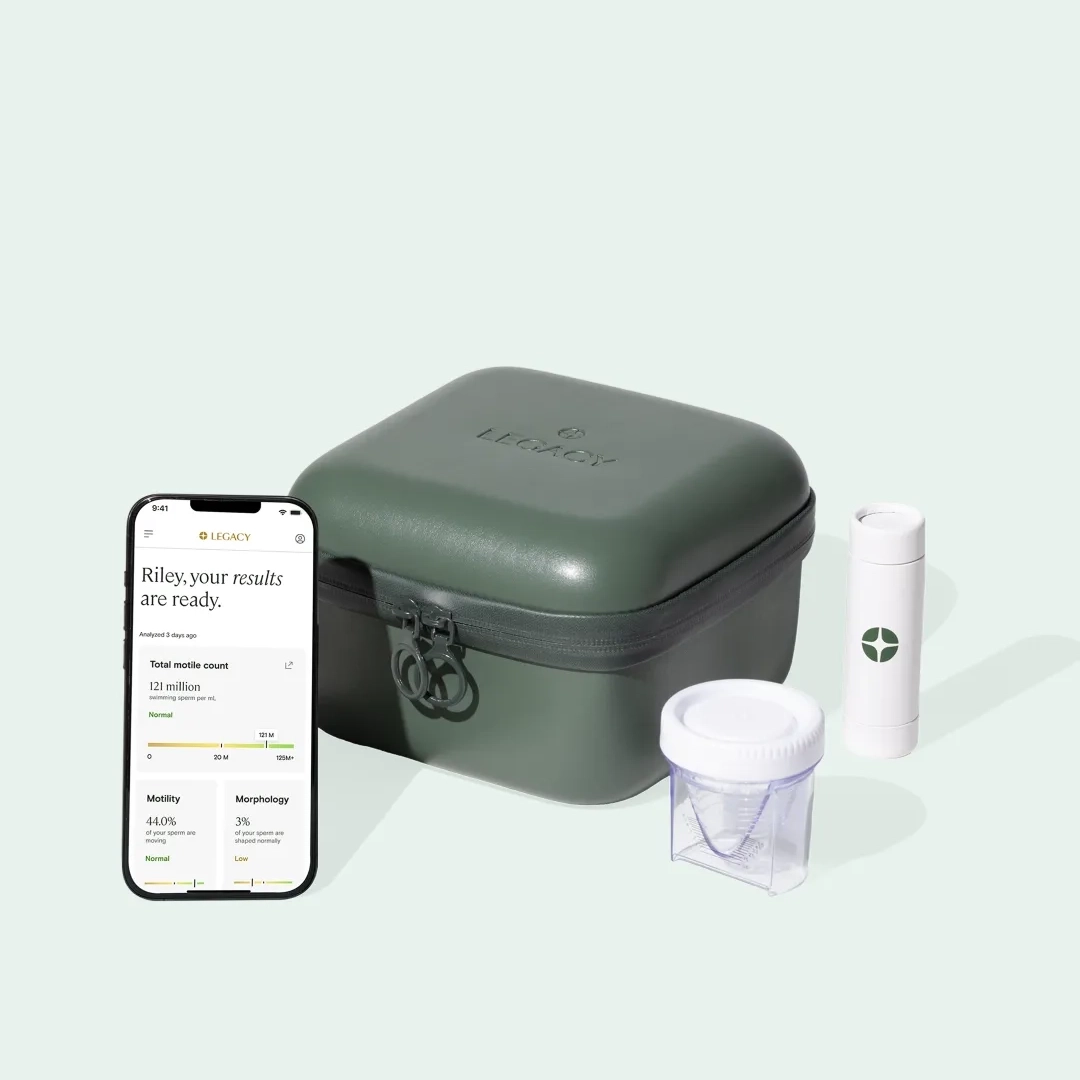
Standard Semen Analysis
$295
Key features

Semen volume
Sperm concentration & count
Motility
Morphology