
Understanding male health

Here’s what no one tells you about starting TRT

The benefits are real — more energy, better mood, improved strength. But there’s one thing your clinic might not mention until it’s too late.

Confident middle-aged man with a friendly smile, standing in front of a stone wall wearing a dark denim jacket and casually crossing his arms.

What you really need to know before starting TRT

  • Testosterone replacement therapy helps bring your testosterone levels up to normal and counteract symptoms of low T.
  • Your sex drive, sexual function, and mood should improve quickly after starting TRT, while symptoms like insulin resistance and increased fat will likely take longer to resolve.
  • It’s important to be aware of potential side effects of TRT, like infertility and possible cardiovascular issues. If you want to grow your family in the future, you may need to freeze your sperm before starting TRT.

What is testosterone and why does it matter?

Confident middle-aged man with a friendly smile, standing in front of a stone wall wearing a dark denim jacket and casually crossing his arms.

Testosterone is essential for:

  • Sex drive and erections
  • Sperm production
  • Bone density and muscle mass
  • Mood and energy

When testosterone drops too low (below 300 ng/dL), it’s known as hypogonadism — and it can seriously affect your well-being and fertility.

What exactly is TRT?

Confident middle-aged man with a friendly smile, standing in front of a stone wall wearing a dark denim jacket and casually crossing his arms.

Testosterone replacement therapy (TRT) adds testosterone back into your body via:

  • Gels or patches (daily)
  • Injections (every 1–2 weeks)
  • Pellets (implanted every few months)

The goal is to bring your testosterone back to healthy levels and ease symptoms like fatigue, low libido, and depression.

What to expect when you start TRT

Confident middle-aged man with a friendly smile, standing in front of a stone wall wearing a dark denim jacket and casually crossing his arms.

In the first few weeks, you might feel:

  • More sexual desire
  • Boosted energy
  • Better mood
  • Morning erections returning

Over time (3–6 months+), you may notice:

  • Leaner muscle mass
  • Less body fat
  • Weight loss
  • Stronger bones
  • Improved insulin sensitivity

BUT — some symptoms like memory, sleep, and overall life quality may not improve significantly, especially for those with conditions like diabetes or sleep apnea.

The hidden cost of TRT: Your fertility

Confident middle-aged man with a friendly smile, standing in front of a stone wall wearing a dark denim jacket and casually crossing his arms.

Here’s what many don’t realize: TRT often shuts down your sperm production.

Even though testosterone is needed to make sperm, adding extra testosterone signals your body to stop producing it naturally.

  • Within 4 months, many men develop azoospermia — no sperm in their semen.
  • Testicles may shrink.
  • Fertility may not return after stopping TRT — or it may take up to 2 years

Can I still have kids after stopping TRT?

Confident middle-aged man with a friendly smile, standing in front of a stone wall wearing a dark denim jacket and casually crossing his arms.

It depends.

  • Most men regain sperm production within 1 year.
  • Some take up to 2 years, especially older men.
  • In some cases, fertility never returns to baseline.

That’s why doctors recommend freezing your sperm before starting TRT — just in case.

What happens if I stop taking TRT?

You can stop, but do so under medical supervision.

After quitting TRT, your testosterone will drop again. Some benefits may linger for a few months, but most symptoms return unless another treatment is started.

If you’re on TRT for age-related low T and see no sexual improvement after 1 year, the American College of Physicians recommends stopping it.


Are there side effects of TRT?

Confident middle-aged man with a friendly smile, standing in front of a stone wall wearing a dark denim jacket and casually crossing his arms.

Yes. While many men feel better on TRT, potential risks include:

  • Infertility — very common
  • Smaller testicles
  • Liver issues
  • Acne
  • Enlarged breasts or prostate
  • Blood clots or heart risk (especially if over 65)
  • Sleep apnea
  • Fluid retention and swelling

That’s why doctors monitor hormone levels, red blood cell count, and prostate health regularly during treatment.

Bottom line: TRT can absolutely improve quality of life — but it comes at a cost to your fertility.

If kids are in your future plans, freezing your sperm now is a smart move. Legacy makes it:

  • Private — collect your sample from home
  • Fast — sperm frozen in just a few days
  • Secure — clinically tested cryostorage

Learn how to protect your fertility before TRT

References

AI Judges

While still a controversial idea, some countries are experimenting with AI systems.

Blockchain and AI Integration

While still a controversial idea, some countries are experimenting with AI systems.

“AI is not replacing lawyers—it's empowering them. By automating the mundane, enhancing the complex, and democratizing access, AI is paving the way for a legal system that’s faster, fairer, and more future-ready.”

Micheal Sterling
CEO - Founder @ Echo
Law Solutions

Accessible to individuals and small businesses.

Chatbots

Bridging gap by providing affordable solutions.

5 min read
Black and white portrait of Dean Kelly, CEO of Gainful.
Article's collection

Personalized supplements for health, vitality, and fertility: Q&A with Dean Kelly, CEO of Gainful

Last revised: June 24, 2025

8 min read
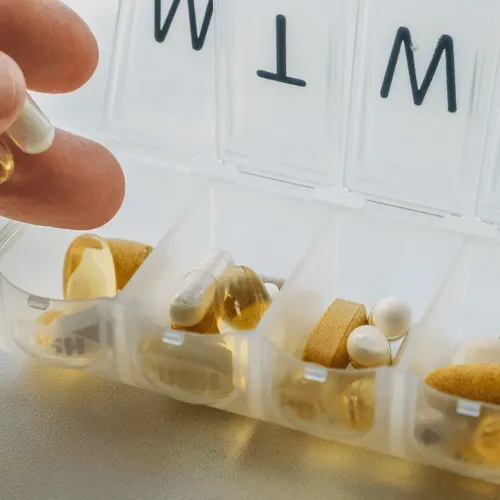
Close-up of a hand reaching for a supplement from a weekly pill organizer filled with various capsules and tablets, implying a daily supplement or medication routine.
Article's category

Medication for male fertility

Last revised: June 13, 2025

8 min read
Close-up of a person in a red shirt holding a prescription pill bottle and pouring tablets into their hand, suggesting medication usage or treatment.
Article's category

Antibiotics and sperm quality

Last revised: June 11, 2025

<h2>This is a heading</h2>

<p>This is a paragraph</p>